AMER FORT
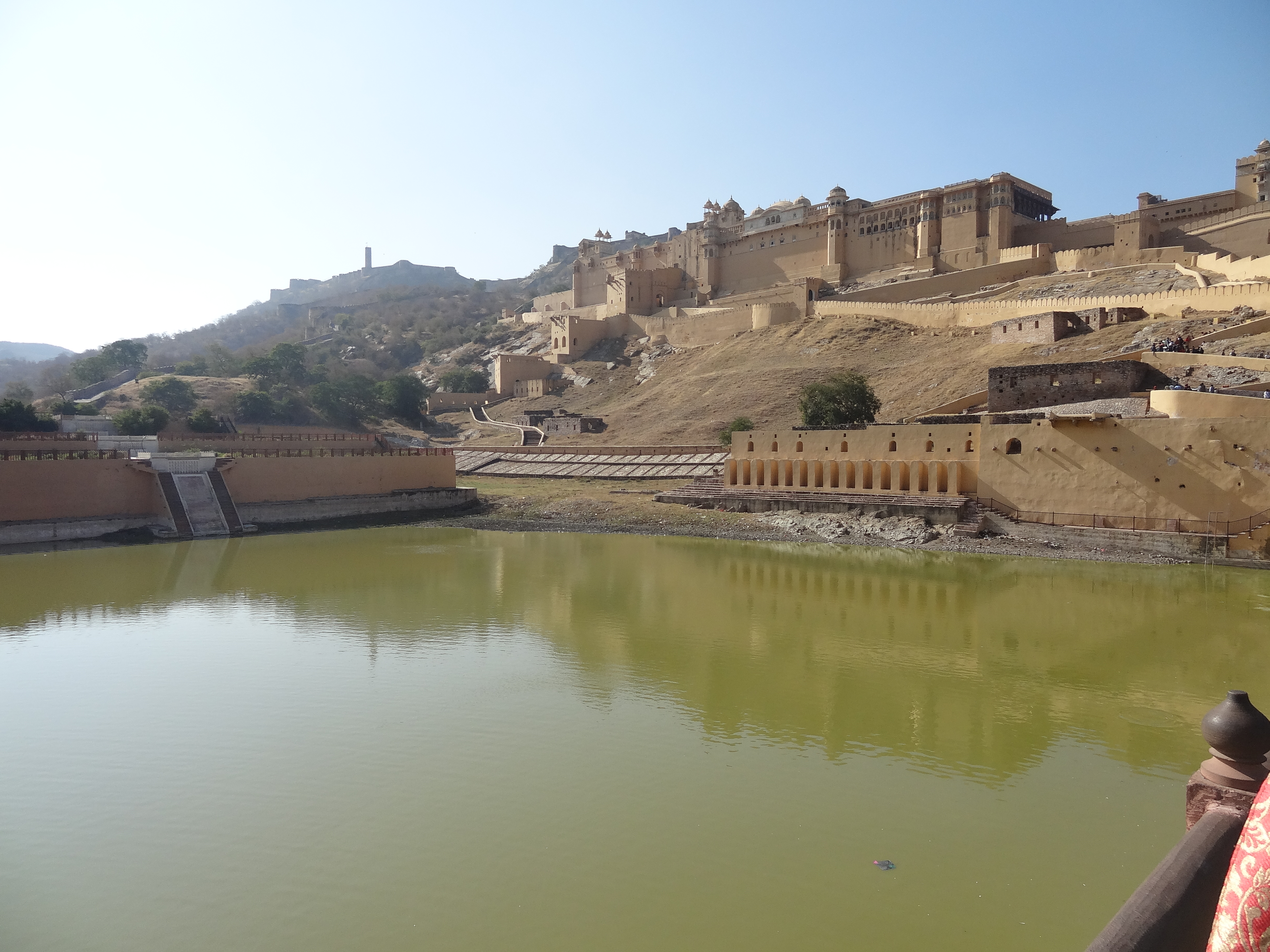
Amer post is situated in Amer,RAJASTHAN .Located high on a hill,it is the important vacation spot in JAIPUR. Amer fortification is known for its imaginative elements,with its enormous defenses and arrangement of entryways and cobbled paths,the post overlokes MAOTA LAKE,which is the principle wellspring of water for the AMER PALACE. AMER infers its name structure the Ambikeshwara Temple, manufactured a top the CHEEL KA TEELA. Ambikahwara is a neighborhood name for the god SHIVA.
NAHARGARH FORT
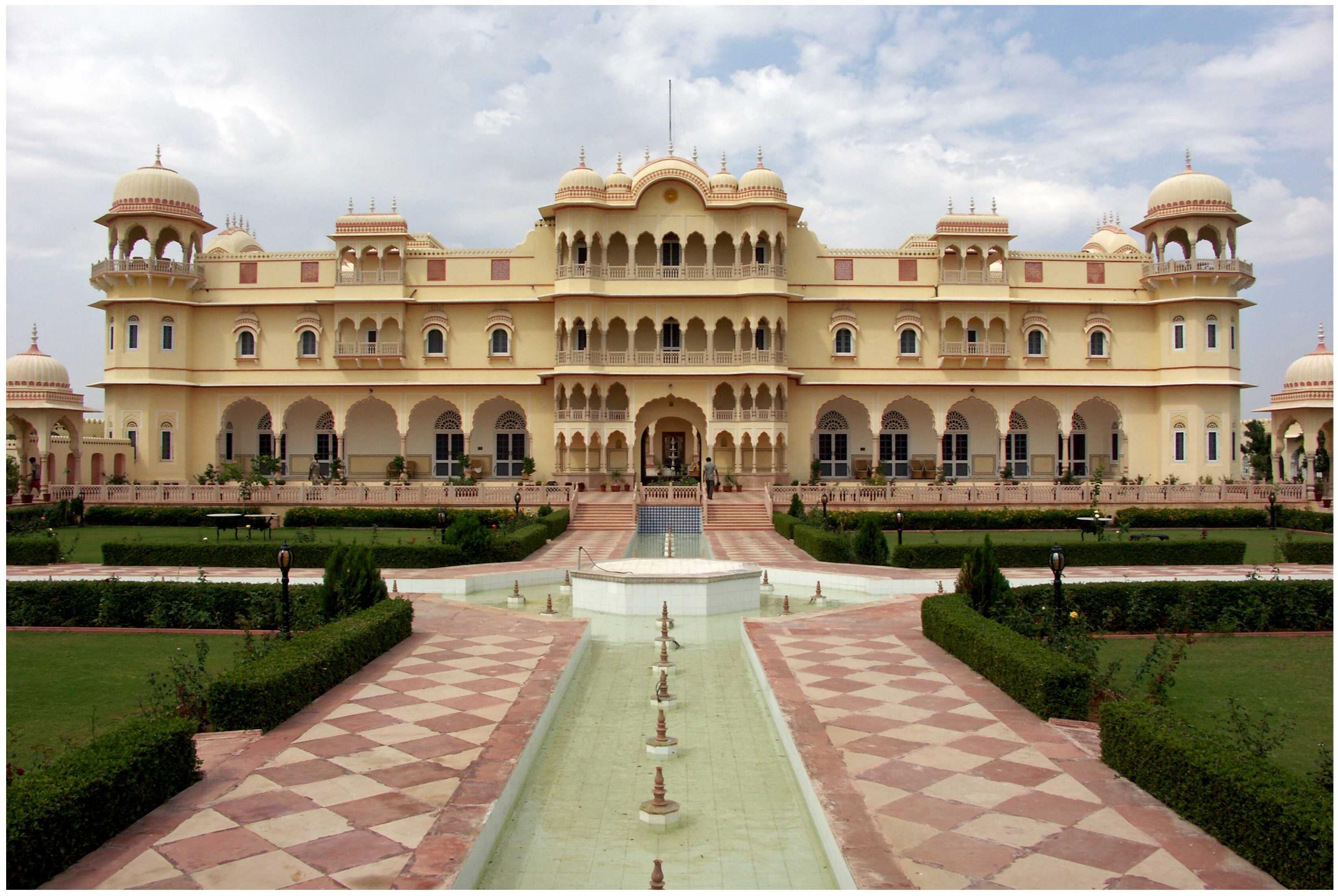
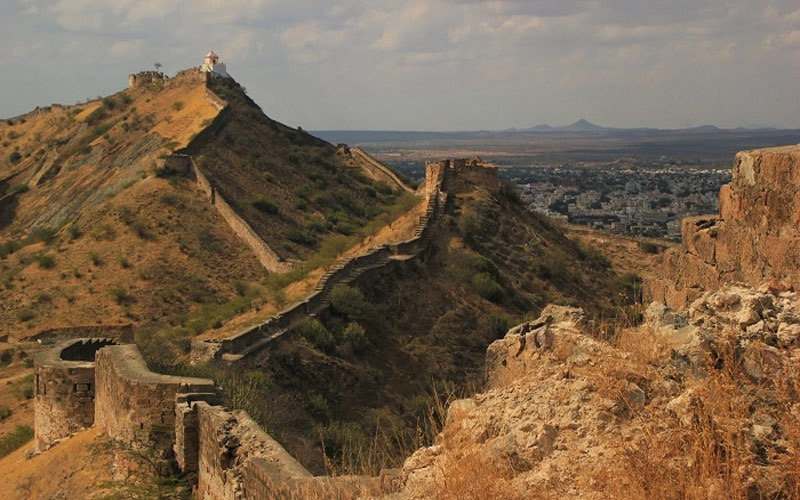
Nahargarh post remains on the edge of the ARAVALLI HILLS,overlooking the city of JAIPUR. NAHARGARH once shaped a solid barrier ring for the city.Thefort was initially named SUDARSHANGARH,but it ended up known as Nahargarh,which signifies ‘house tigers’.
BHUJIA FORT
Bhujia Fort, likewise spelled as Bhujiya Fort, is a fortification situated in the edges of the town of Bhuj in the locale of Kutch, Gujarat, India. The fortress is worked on Bhujia Hill neglecting the town.
MEHARANGARH FORT
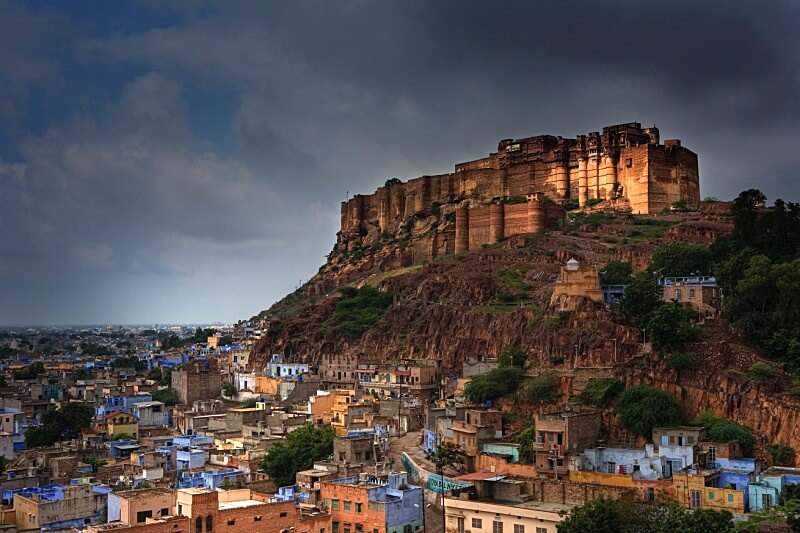
Mehrangarh post is situated in JODHPUR, RAJHASTHAN, is one of the biggest fortress in INDIA. Worked in around 1459 RAO JODHA. Inside its limits there are a few castles known for their unpredictable carvings and extensive yards. The engravings of the effect of cannonballs terminated by assaulting multitudes of jaipur can in any case be seen on the second gate.To the left of the fortress is the CHHTRI of KIRAT SINGH SODA, a trooper who fll on the spot shielding mehrangarh.
GWALIOR FORT
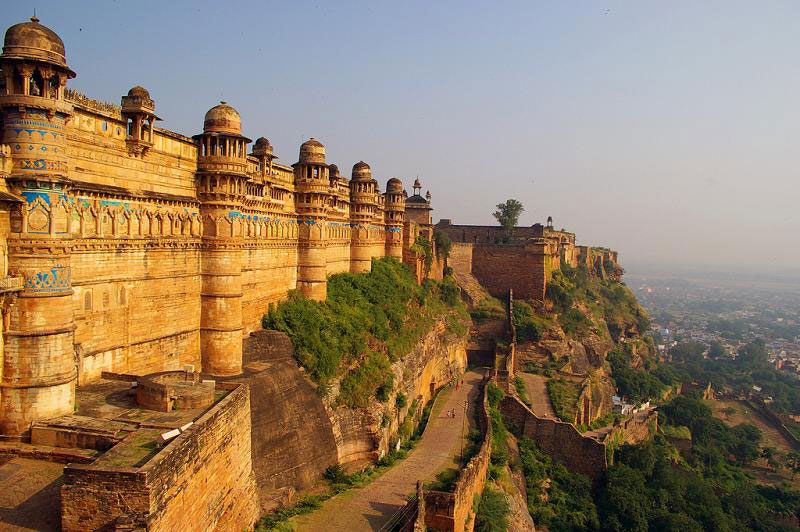
Gwalior fortification is a slope post close GWALIOR, MADHYA PRADESH. The word gwalior is delivered from one of the HINDU words for SAINT, GWALIPA. The stronghold is based on an outcrop of VINDHYAN sandstone on a lone rough slope called GOPACHAL . A little waterway , the swarnekha ,streams near the castle
Golconda Fort
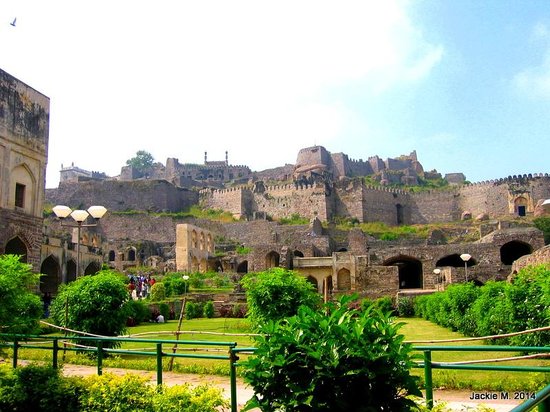
Golconda Fort, otherwise called Golkonda or Golla Konda, is a sustained bastion and an early capital city of the Qutb Shahi tradition (c.1512–1687), situated in Hyderabad, Telangana, India. In light of the region of jewel mines, particularly Kollur Mine, Golconda thrived as an exchange focal point of huge precious stones, known as the Golconda Diamonds.Golconda was initially known as Mankal.Golconda Fort was first worked by the Kakatiyas as a major aspect of their western guards along the lines of the Kondapalli Fort.
Jaisalmer Fort
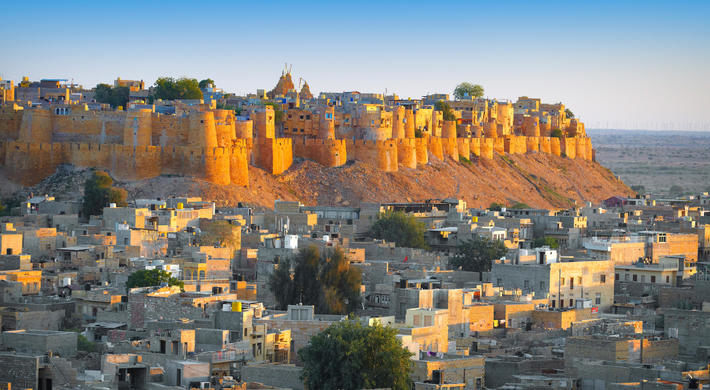
Jaisalmer Fort is arranged in the city of Jaisalmer, in the Indian territory of Rajasthan. It is accepted to be one of the not many “living fortresses” on the planet, as almost one fourth of the old city’s populace still dwells inside the fort.For most of its 800-year history, the stronghold was the city of Jaisalmer. The main settlements outside the stronghold dividers, to oblige the developing populace of Jaisalmer, are said to have come up in the seventeenth century.The fort’s huge yellow sandstone walls are a brownish lion shading during the day, blurring to nectar gold as the sun sets, in this way disguising the fortress in the yellow desert. Thus it is otherwise called the Sonar Quila or Golden Fort.
Chittor fort
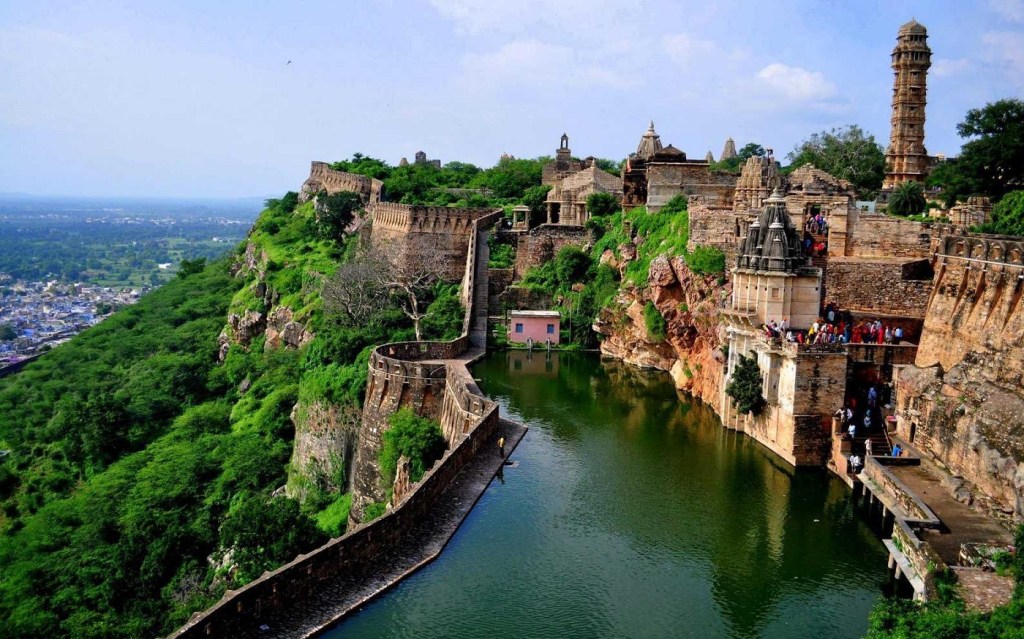
The forts was the capital of Mewar and is situated in the present-day town of Chittor. It spreads over a slope 180 m (590.6 ft) in stature spread over a territory of 280 ha (691.9 sections of land) over the fields of the valley depleted by the Berach River. The fortress region has a few authentic castles, doors, sanctuaries and two conspicuous memorial towers.Starting in the seventh century, the fortification was constrained by the Mewar Kingdom. From the ninth to thirteenth hundreds of years, the stronghold was governed by Paramara line.
Junagarh Fort
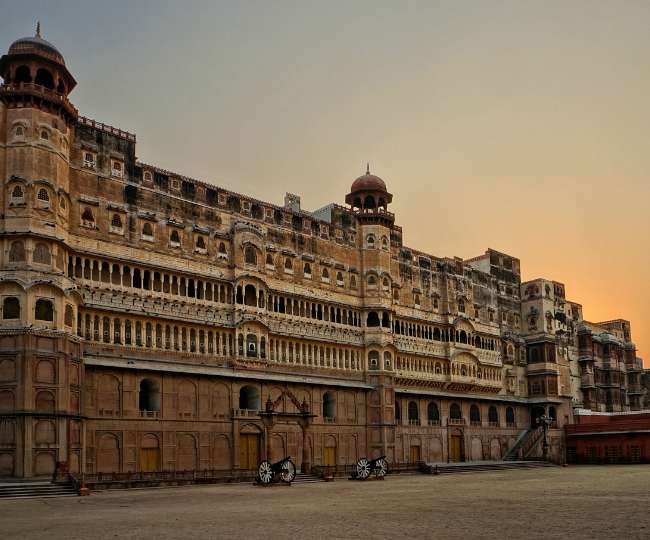
Junagarh Fort is a post in the city of Bikaner, Rajasthan, India. The stronghold was initially called Chintamani and was renamed Junagarh or “Old Fort” in the mid twentieth century when the decision family moved to Lalgarh Palace outside as far as possible. It is one of only a handful couple of significant fortifications in Rajasthan which isn’t based on a peak. The advanced city of Bikaner has created around the fort.The fort complex was worked under the supervision of Karan Chand, the Prime Minister of Raja Rai Singh, the 6th leader of Bikaner, who ruled from 1571 to 1611 AD. Development of the dividers and related canal initiated in 1589 and was finished in 1594. It was worked outside the first post of the city, about 1.5 kilometers (0.93 mi) from the downtown area.
Bidar Fort
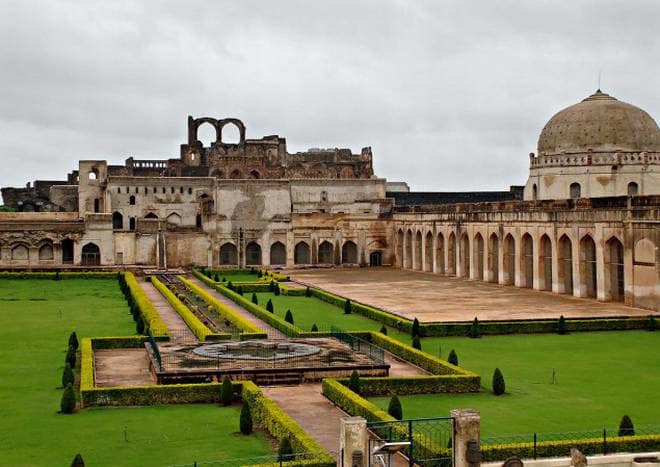
Bidar Fort formally known as, Bidar Kote, is a fortification arranged in the Bidar, Karnataka, India. The stronghold, the city and the area are altogether fastened with the name Bidar. Sultan Alla-Ud Din Bahman of the Bahmanid Dynasty moved his capital from Gulbarga to Bidar in 1427 and fabricated his post alongside various Islamic monuments.There are more than 30 landmarks inside Bidar fort.Bidar city and fort are located on the edge of the Bidar plateau, the northernmost in Karnataka state. The plateau area, comprising low laterite hills, ends to the north at the Manjira River, a major tributary of the Godavari River.
 Explore India