NUN -KUN
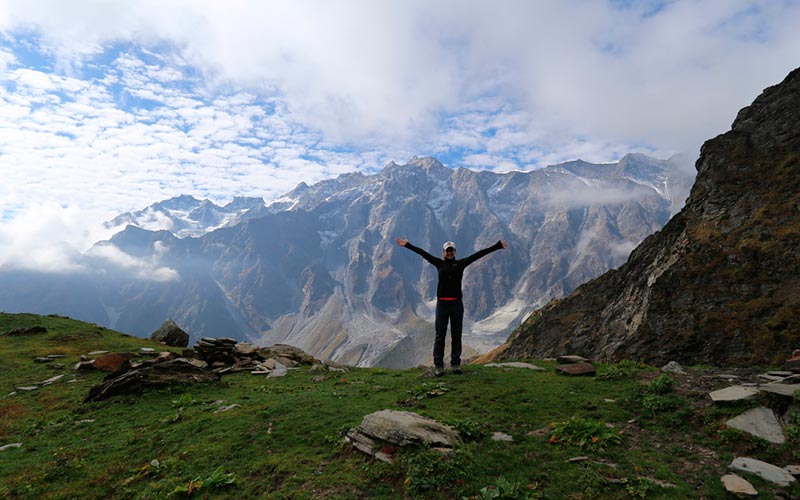
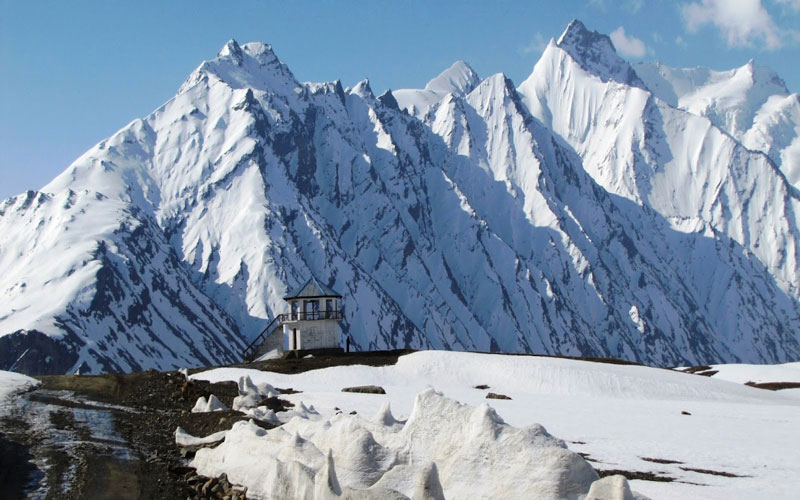
The Nun Kun mountain massif consists of a pair of Himalayan peaks: Nun, 7,135 m (23,409 ft) and its neighbor peak Kun Peak, 7,077 m (23,218 ft). Nun is the highest peak in the part of the Himalayan range lying on the Indian side of the Line of Control in Jammu and Kashmir. (There are higher peaks in the Indian part of the Karakoram range.) The massif is located near the Suru valley, about 250 km (160 mi) east of Srinagar, the state capital. The Nun Kun massif is bounded to the north by the Suru valley and the Zanskar range.
CHANDRASHILA
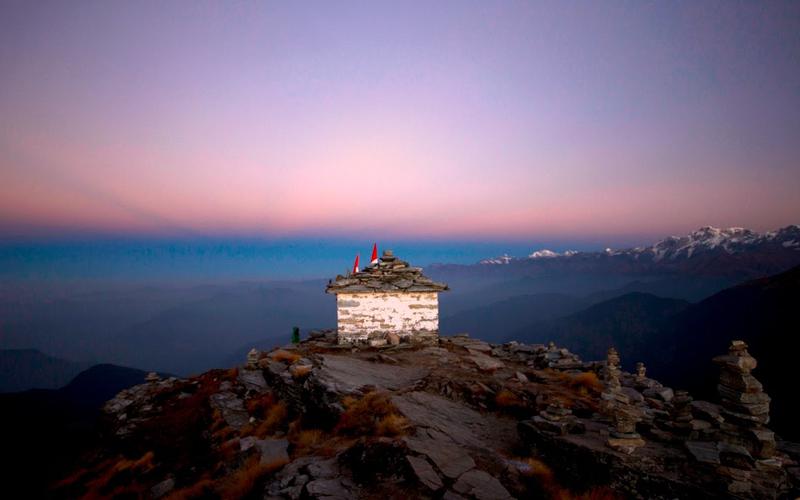
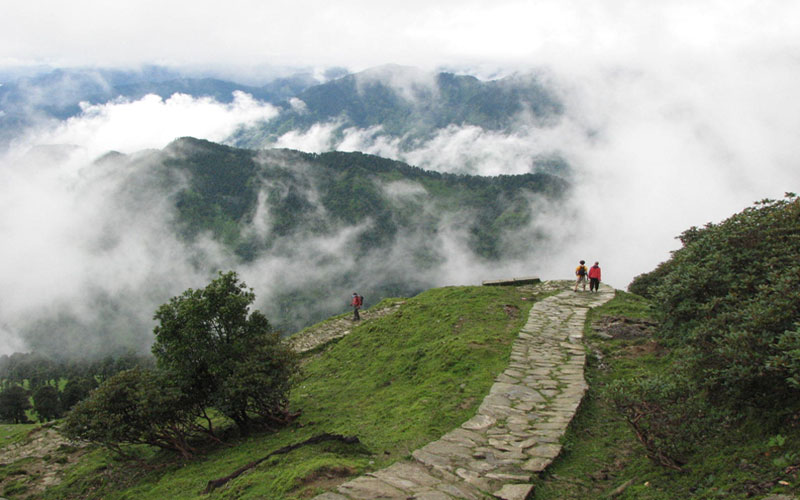
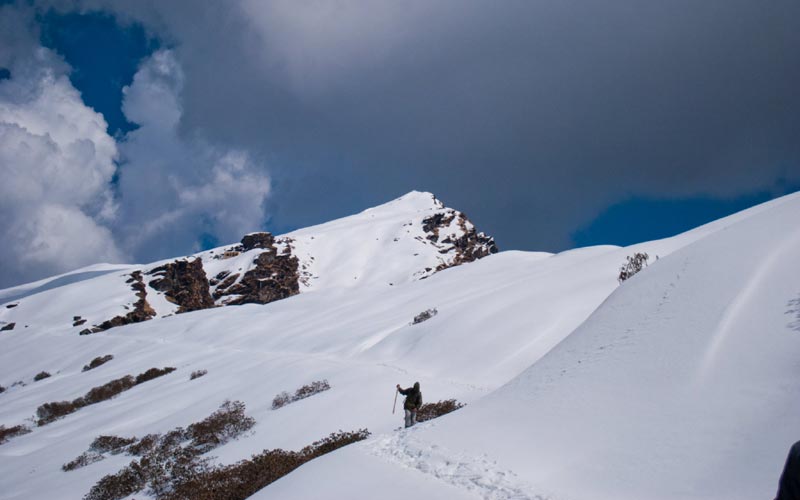
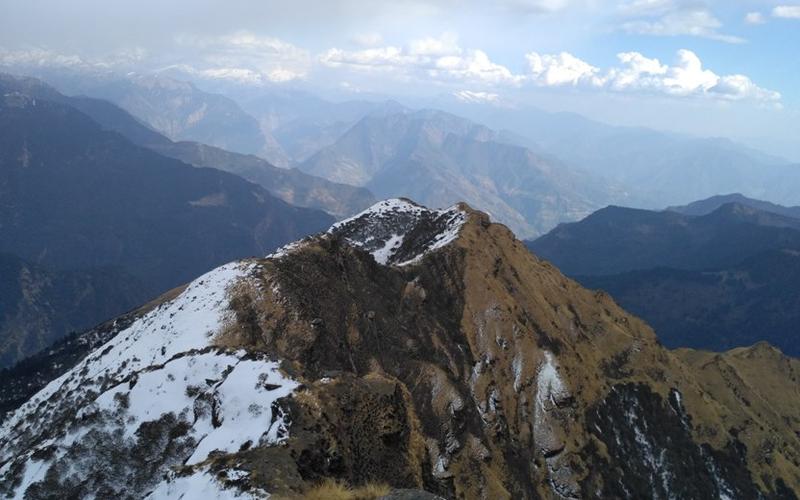
Chandrashila is summit of the Tungnath . It literally means “Moon Rock”. It is located at a height of about 4,000 metres (13,000 ft) above sea level. This peak provides views of the Himalayas, including Nandadevi, Trisul, Kedar Peak, Bandarpunch and Chaukhamba peaks. There are various legends associated with this place. According to one such legend, this is the place where Lord Rama meditated after defeating the demon-king Ravana. Another legend says that moon-god Chandra spent time here in penance
STOK KANGRI
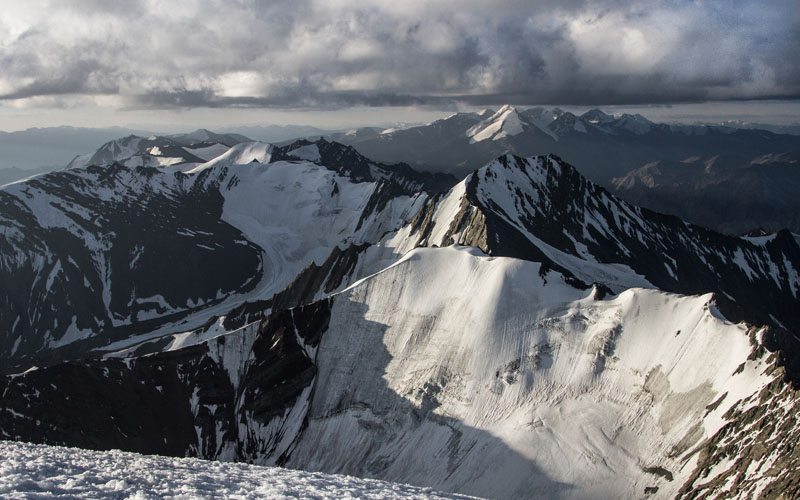
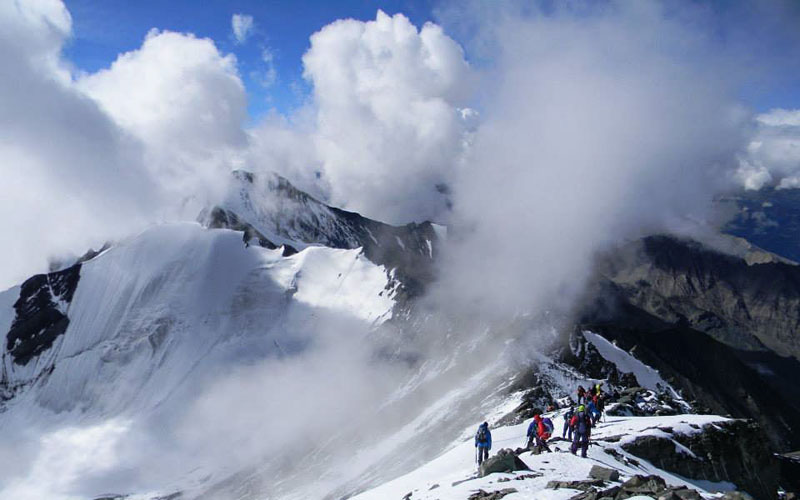
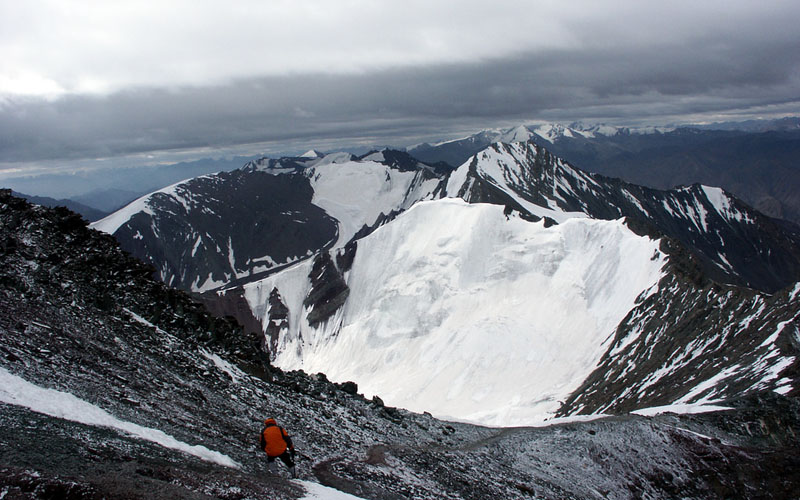
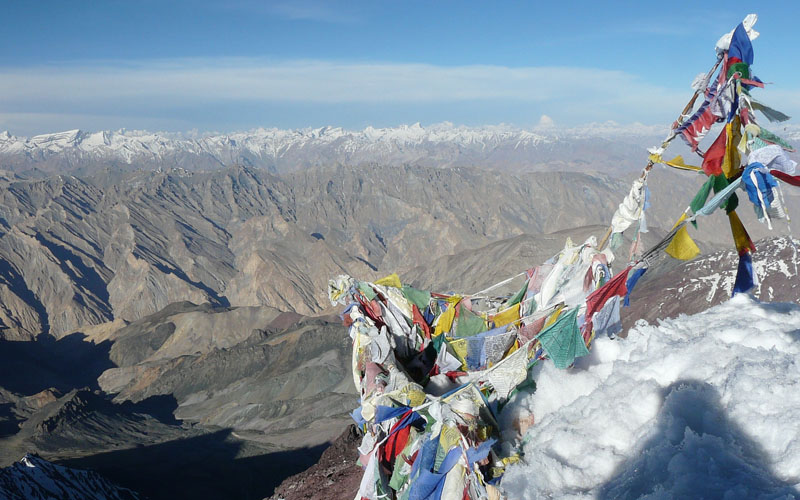
Stok Kangri (6,154 metres (20,190 ft)) is the highest mountain in the Stok Range of the Himalayas in the Ladakh region of north India. The peak is located in Hemis National Park, 12 km southwest of the trailhead (3,610 metres (11,844 ft)) in the village of Stok and around 15 km southwest of the city of Leh, the capital of Ladakh.
TIGER HILL
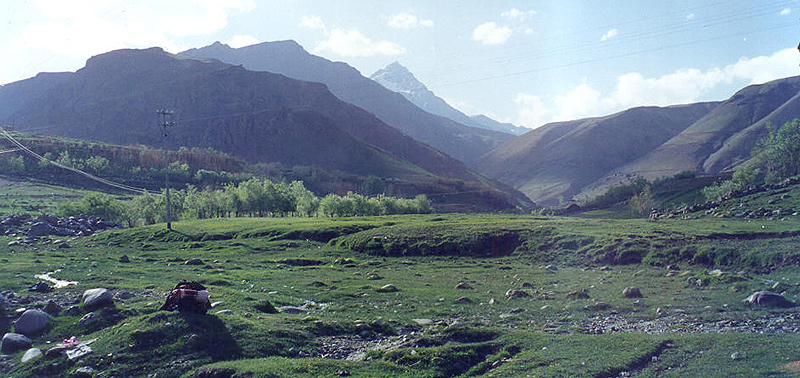
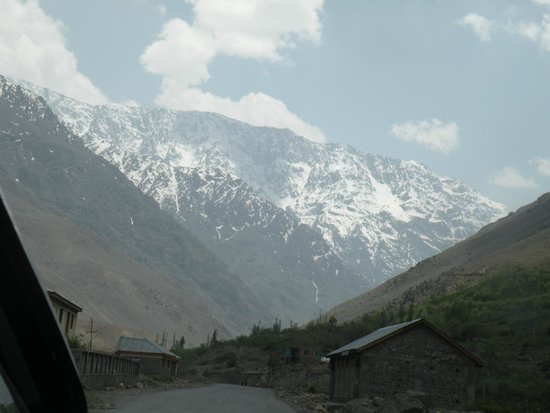
Tiger Hill (also called Point 5062) is a mountain in the Drass-Kargil area of Jammu & Kashmir, India. It is one of the highest peaks in the area and was the subject of a battle during the 1999 India-Pakistan Kargil War. Its recapture was one of the most important objectives for Indian forces during the Kargil War
SHIVLING
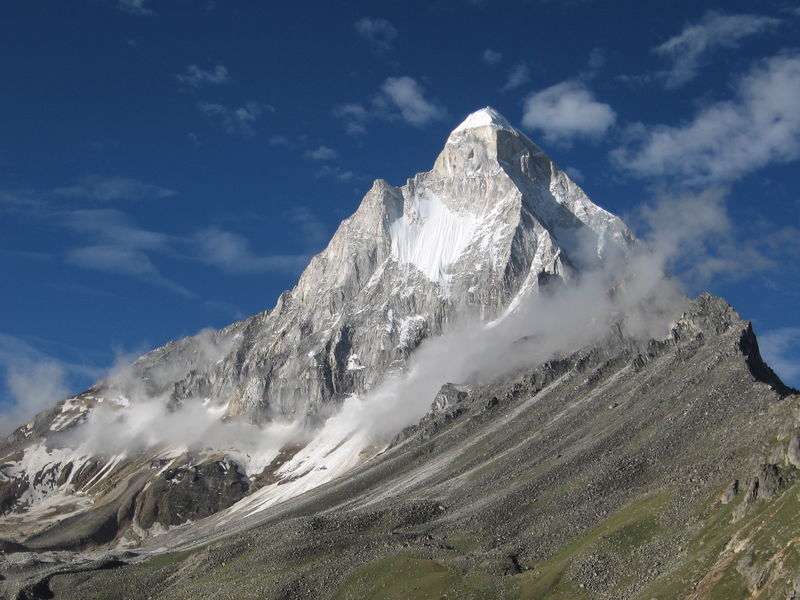
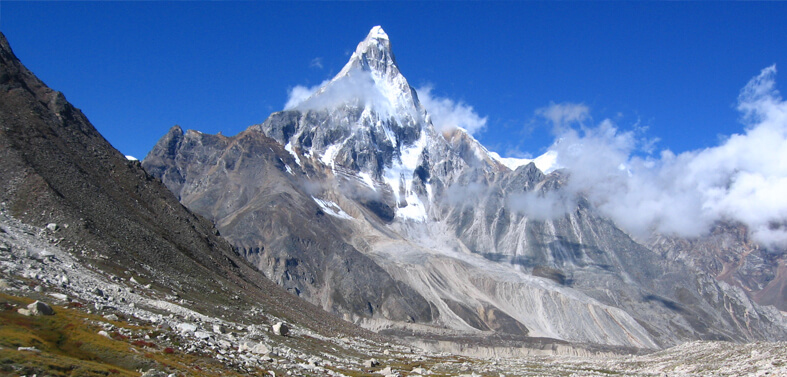
Shivling is a mountain at tapovan in the Gangotri Group of crests in the western Garhwal Himalaya, close to the nose of the Gangotri Glacier. It lies in the northern Indian territory of Uttarakhand, 6 kilometers (4 mi) south of the Hindu sacred site of Gaumukh (the wellspring of the Bhagirathi River). Its name alludes to its status as a consecrated image – Shiva Linga. It was designated “Matterhorn Peak” by early European guests in light of its likeness in appearance to that Alpine pinnacle. While not of locally extraordinary height, it is a sensational shake top, and most outwardly striking pinnacle seen from Gaumukh; that and the trouble of the trip make it an acclaimed prize for mountain dwellers.
ANAMUDI
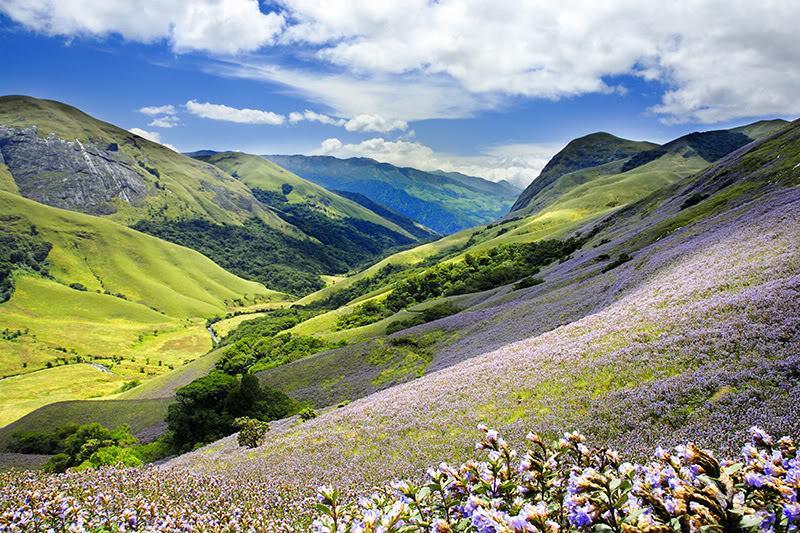
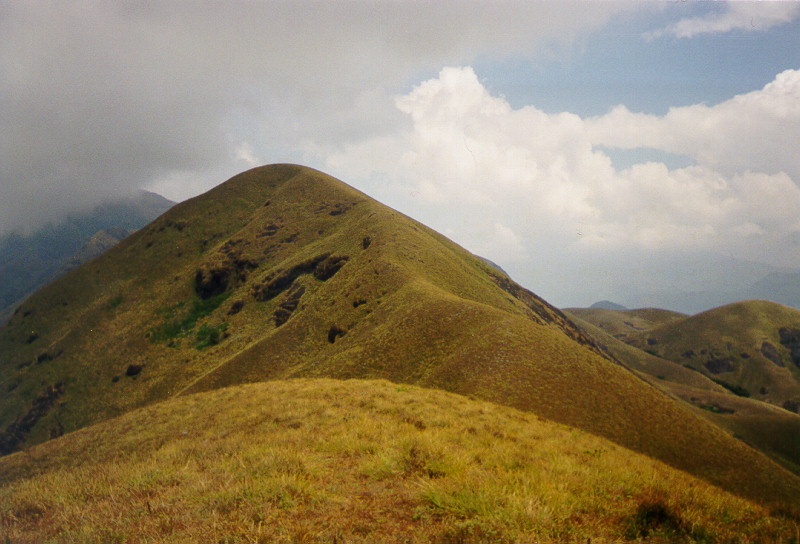
Anamudi is a mountain situated in the Indian province of Kerala. It is the most elevated top in the Western Ghats and South India, at a rise of 2,695 meters (8,842 ft) and a topographic noticeable quality of 2,479 meters (8,133 ft).It lies on the fringe of Devikulam Taluk, Idukki locale and Kothamangalam Taluk, Ernakulam region. The name Anamudi truly means “elephant’the mountain to an elephant’s heads temple,”.
NANDA DEVI
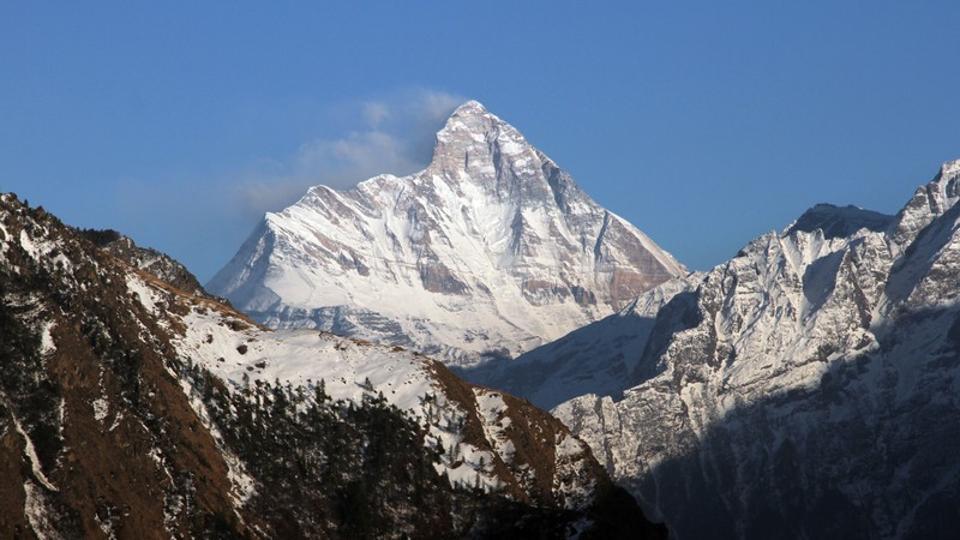
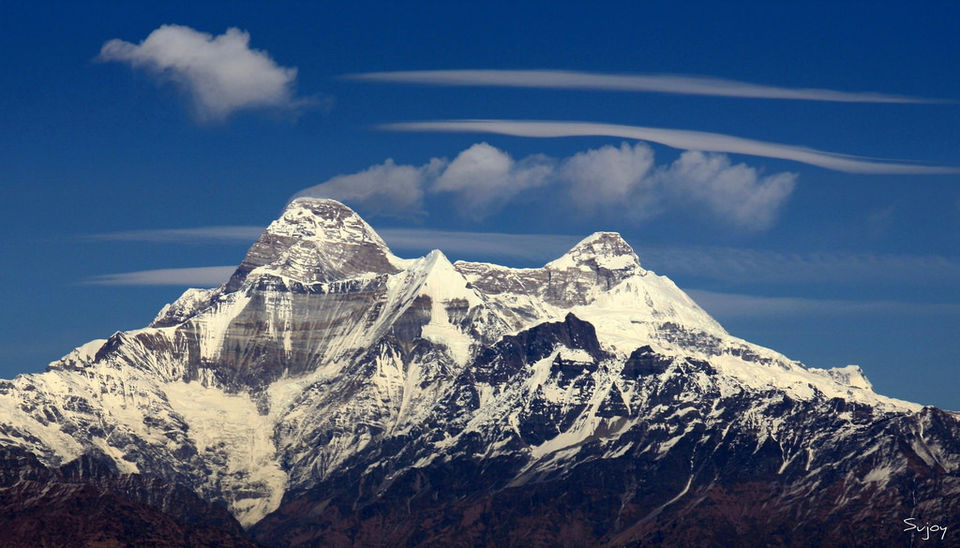
Nanda Devi is the second most elevated mountain in India, and the most astounding found altogether inside the nation. (Kangchenjunga, which is higher, is on the fringe of India and Nepal.) It is the 23rd-most astounding top on the planet. It was viewed as the most elevated mountain on the planet before calculations in 1808 demonstrated Dhaulagiri to be higher. It was likewise the most elevated mountain in India until 1975 when Sikkim, the state where Kangchenjunga is found, joined the Republic of India.
KAMET
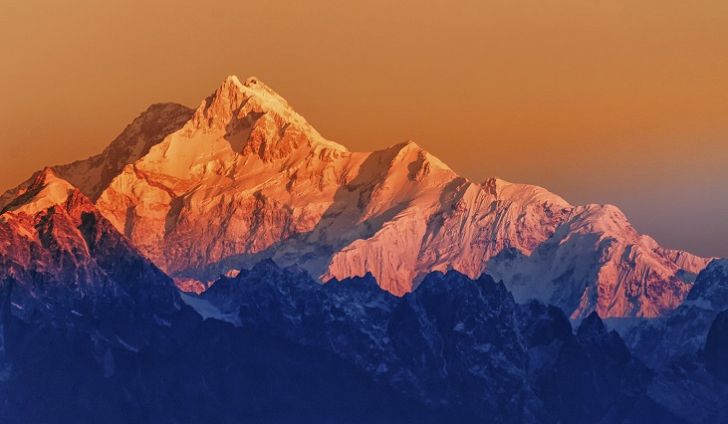
Kamet is the second most astounding mountain in the Garhwal district of Uttarakhand, after Nanda Devi. It lies in the Chamoli District of Uttarakhand. Its appearance looks like a goliath pyramid bested by a level summit zone with two pinnacles
KANGCHENJUNGA
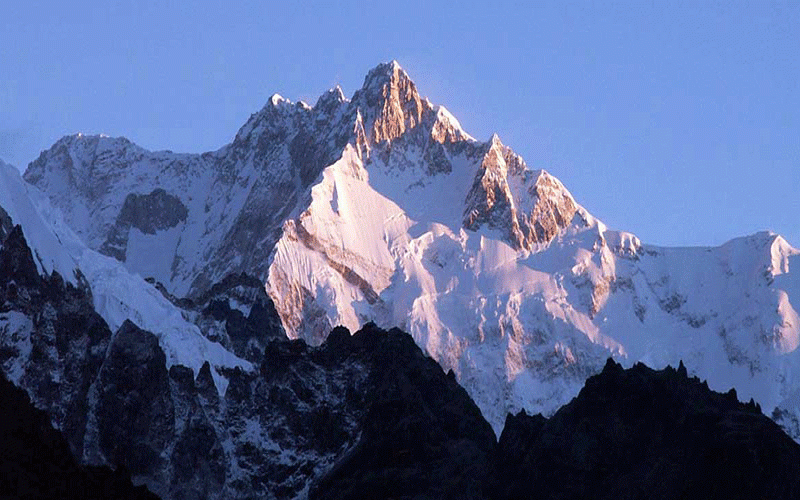
Kangchenjunga, additionally spelled Kanchenjunga, is the third most elevated mountain on the planet. It ascends with a height of 8,586 m (28,169 ft) in an area of the Himalayas called Kangchenjunga Himal delimited in the west by the Tamur River, in the north by the Lhonak Chu and Jongsang La, and in the east by the Teesta River.It lies among Nepal and Sikkim, India, with three of the five pinnacles (Main, Central, and South) legitimately on the fringe, and the staying two (West and Kangbachen) in Nepal’s Taplejung District.
 Explore India