
AJANTA CAVES
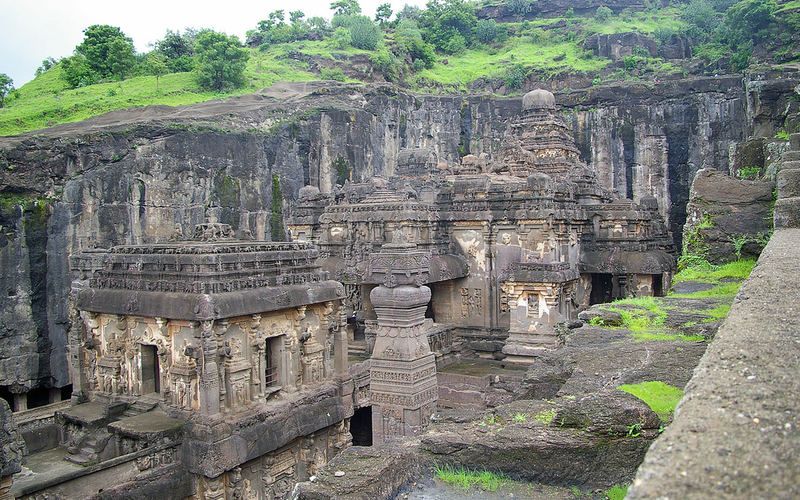
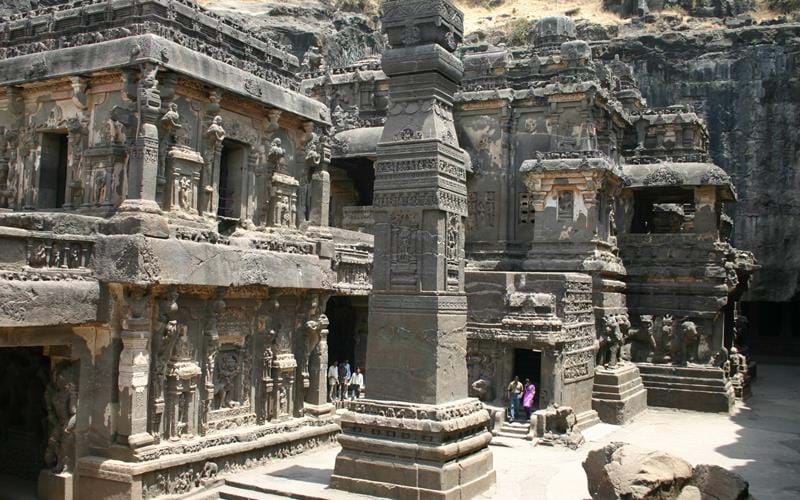
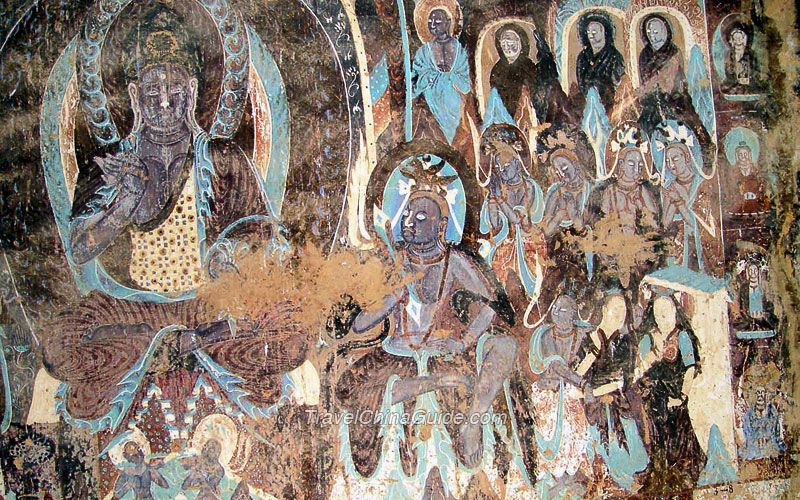
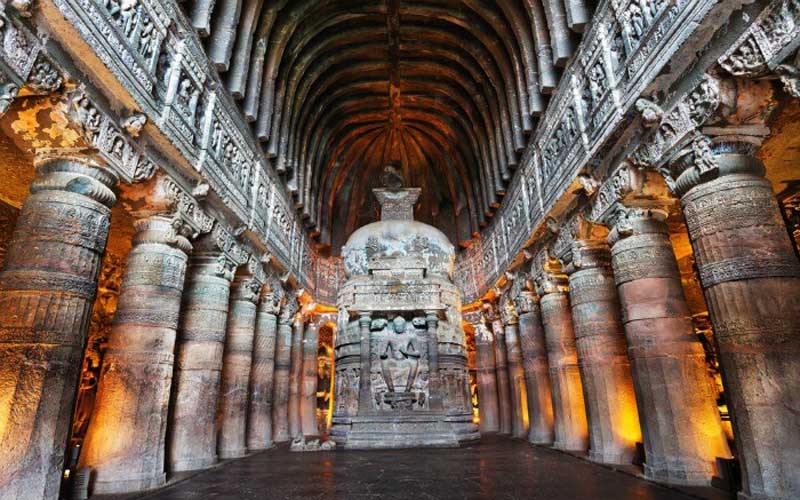
The Ajanta Caves are 30 (approximately) rock-cut Buddhist cave monuments which date from the 2nd century BCE to about 480 CE in Aurangabad district of Maharashtra state of India.The caves include paintings and rock-cut sculptures described as among the finest surviving examples of ancient Indian art, particularly expressive paintings that present emotion through gesture, pose and form.
HAMPI
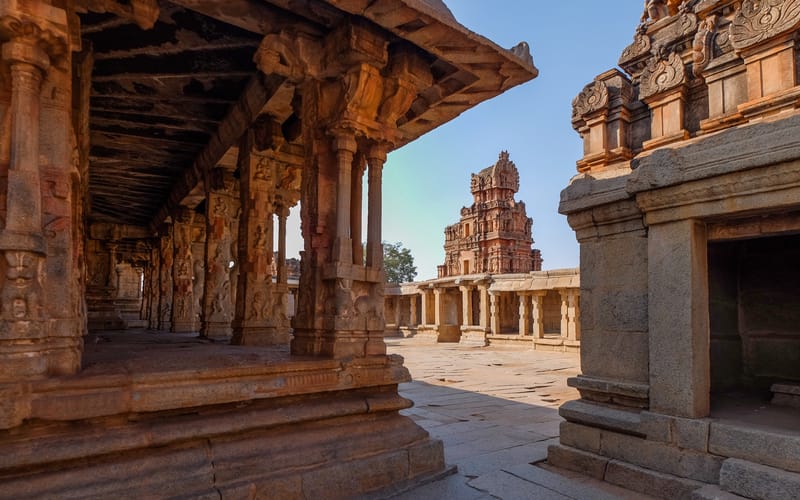
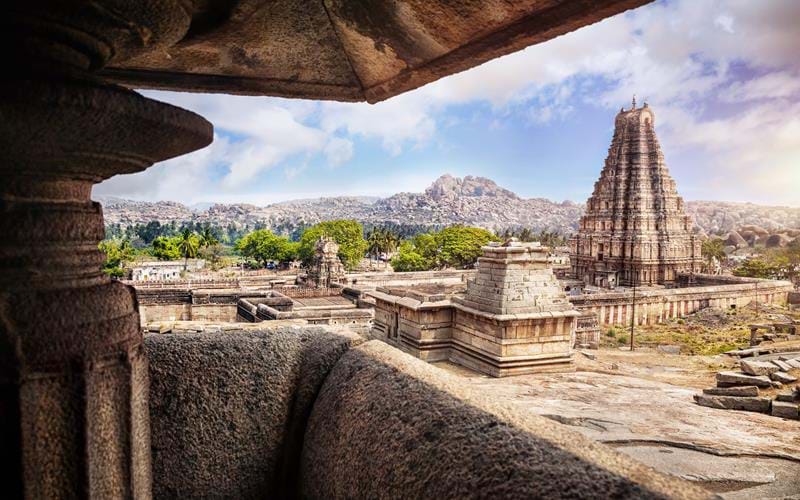
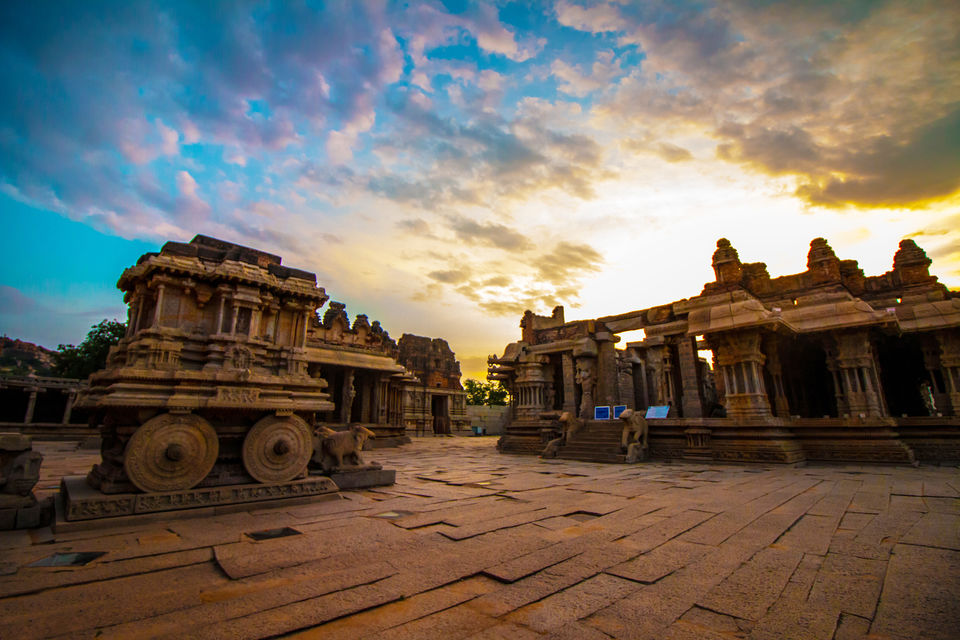
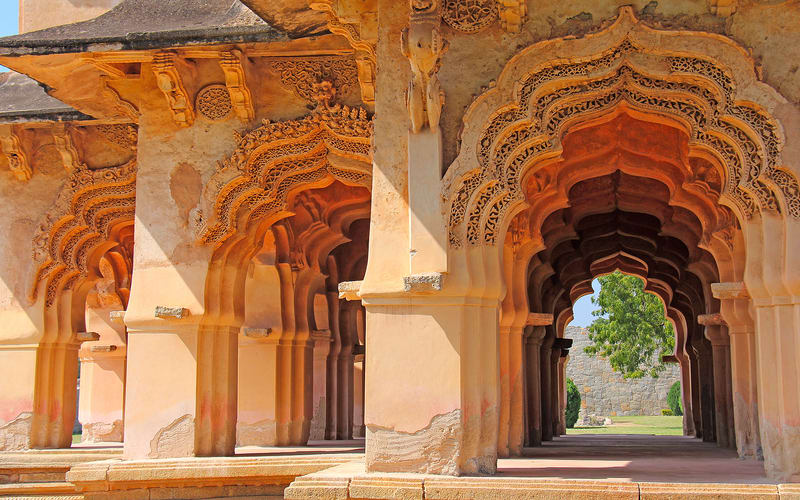
Hampi, also referred to as the Group of Monuments at Hampi, is a UNESCO World Heritage Site located in east-central Karnataka, India. It became the centre of the Hindu Vijayanagara Empire capital in the 14th century.Chronicles left by Persian and European travellers, particularly the Portuguese, state Hampi was a prosperous, wealthy and grand city near the Tungabhadra River, with numerous temples, farms and trading markets. By 1500 CE, Hampi-Vijayanagara was the world’s second-largest medieval-era city after Beijing, and probably India’s richest at that time, attracting traders from Persia and Portugal.
MAHABALIPURAM
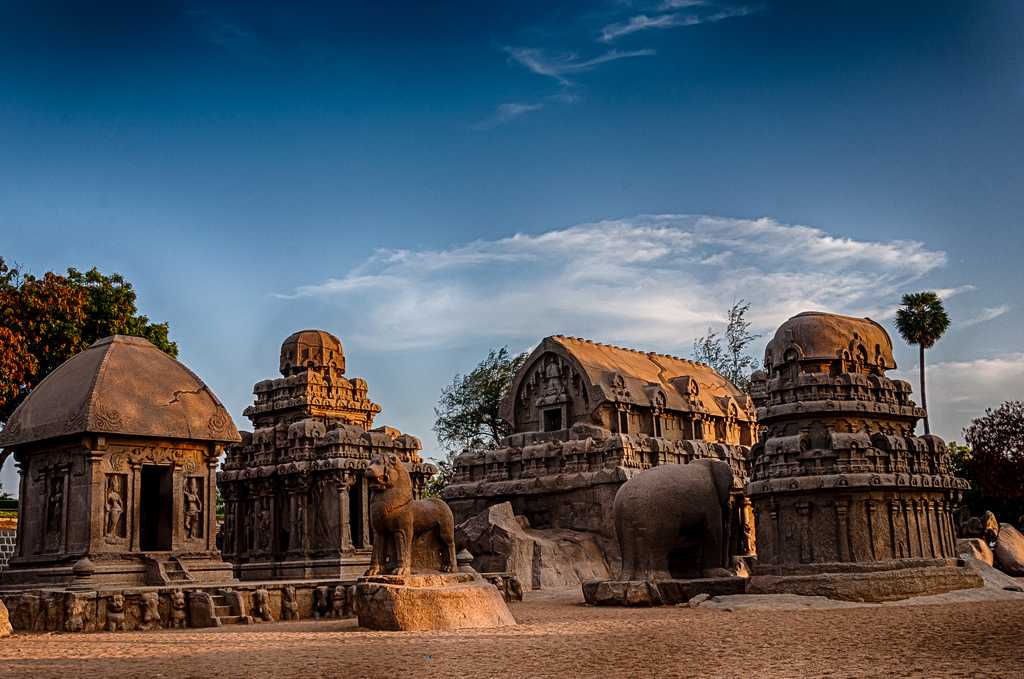
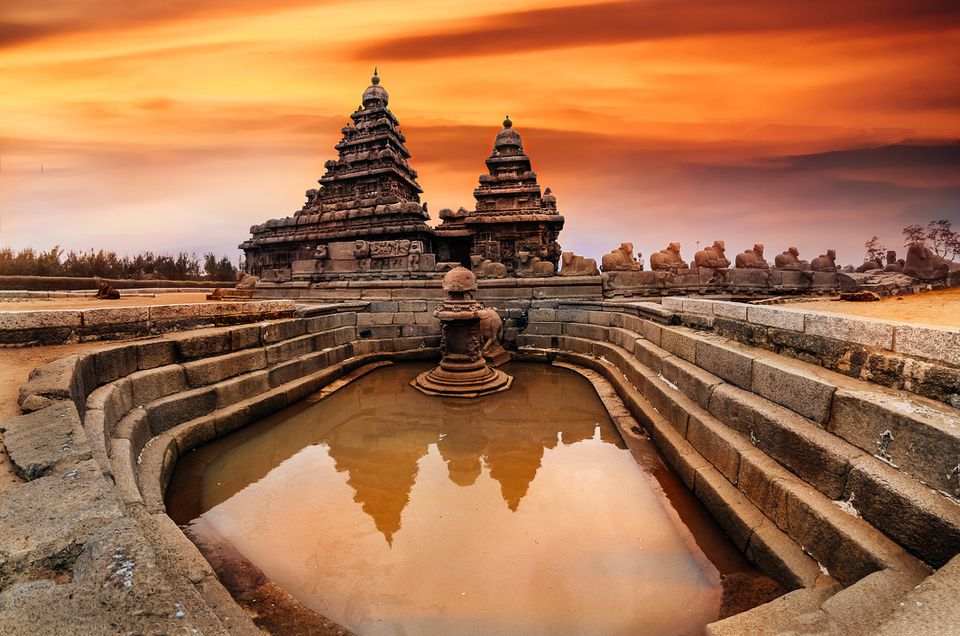
The group of monuments at Mahabalipuram is a collection of 7th- and 8th-century CE religious monuments in the coastal resort town of Mamallapuram, Tamil Nadu, India and a UNESCO World Heritage Site.It is on the Coromandel Coast of the Bay of Bengal, about 60 kilometres (37 mi) south of Chennai.
The site has 400 ancient monuments and Tamil religious temples including one of the largest open-air rock reliefs in the world:the Descent of the Ganges or Arjuna’s Penance.
KONARK (SUN TEMPLE)

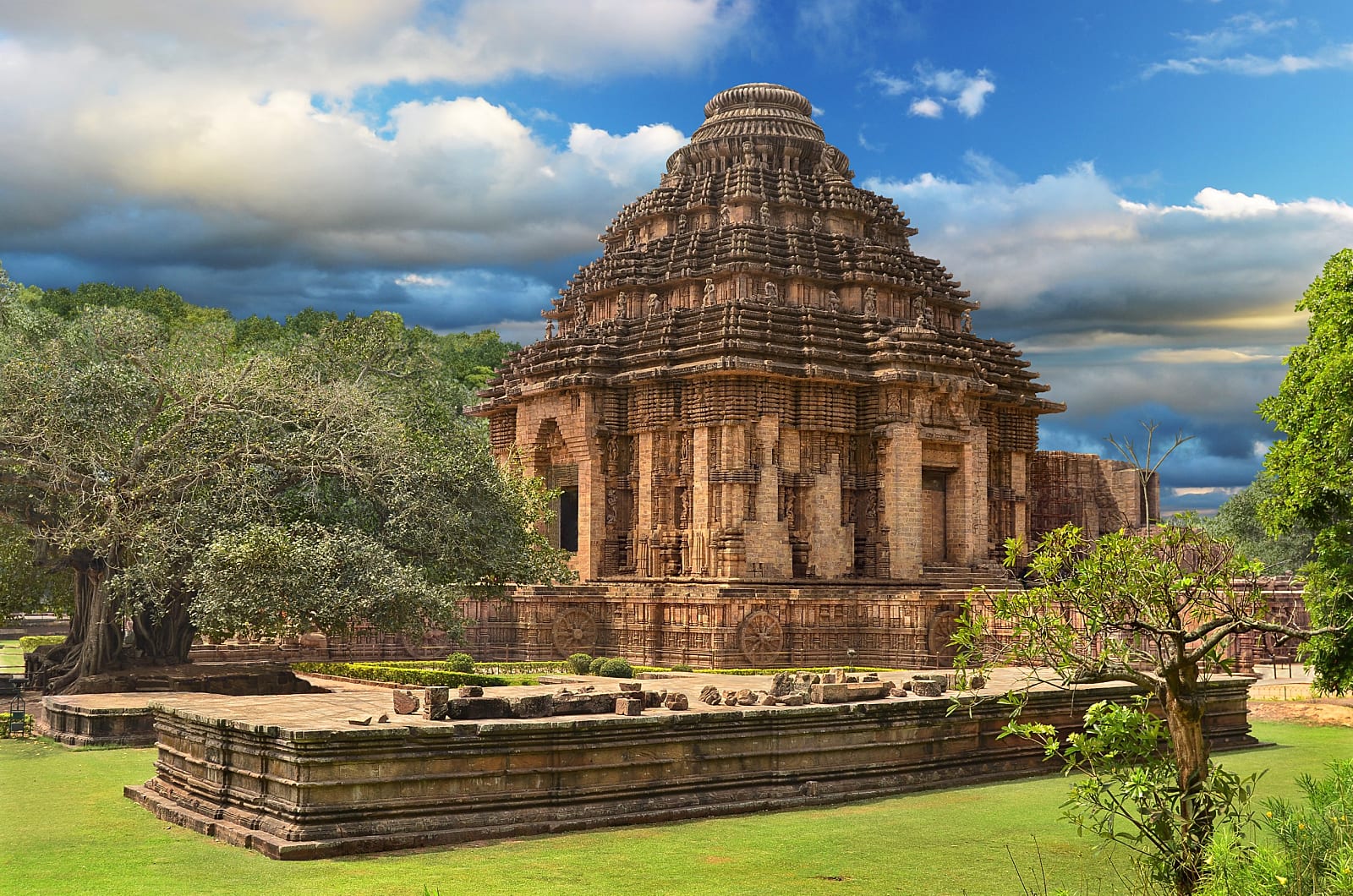
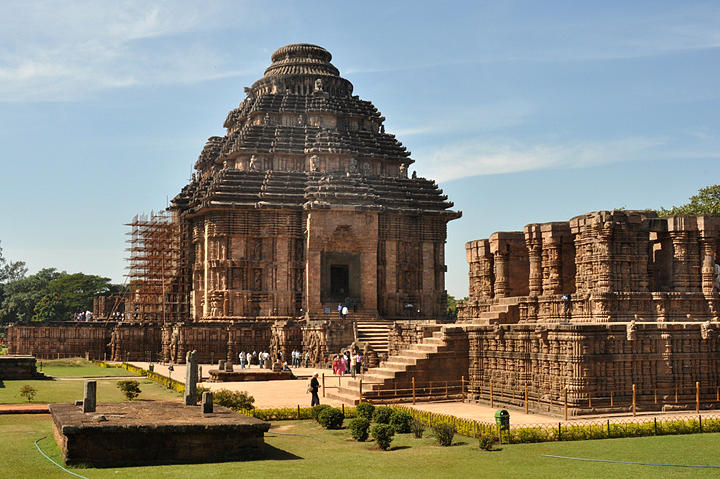
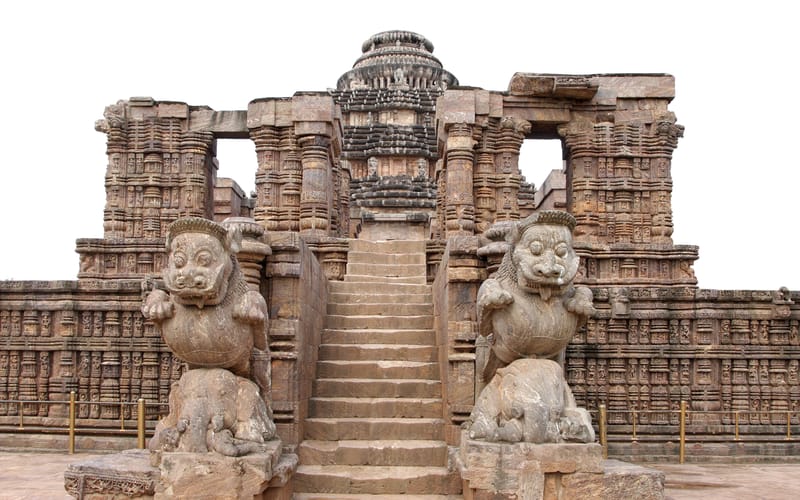
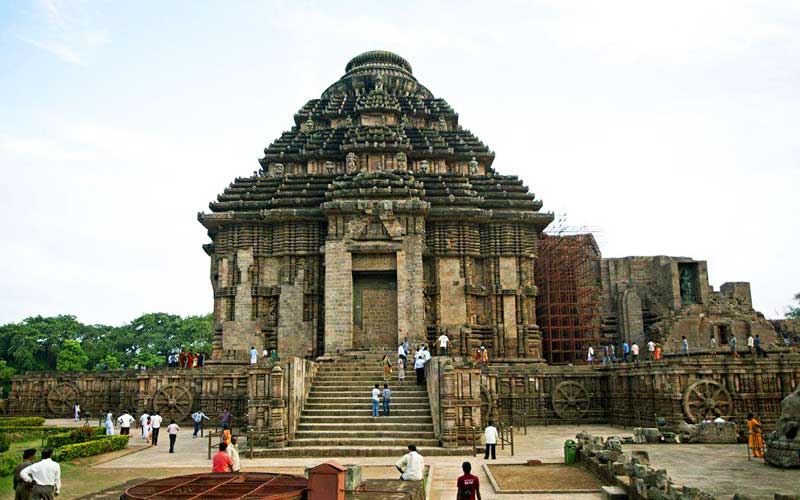
Konark is a medium town in the Puri district in the state of Odisha, India. It lies on the coast by the Bay of Bengal, 60 kilometers from the capital of the state, Bhubaneswar.It is the site of the 7th-century Sun Temple, also known as the Black Pagoda, built in black granite during the reign of Narasimhadeva-I. The temple is a World Heritage Site Konark is also home to an annual dance festival called Konark Dance Festival, devoted to classical Indian dance forms, including the traditional classical dance of Odisha, Odissi.
BHIMBETKA ROCK SHELTERS
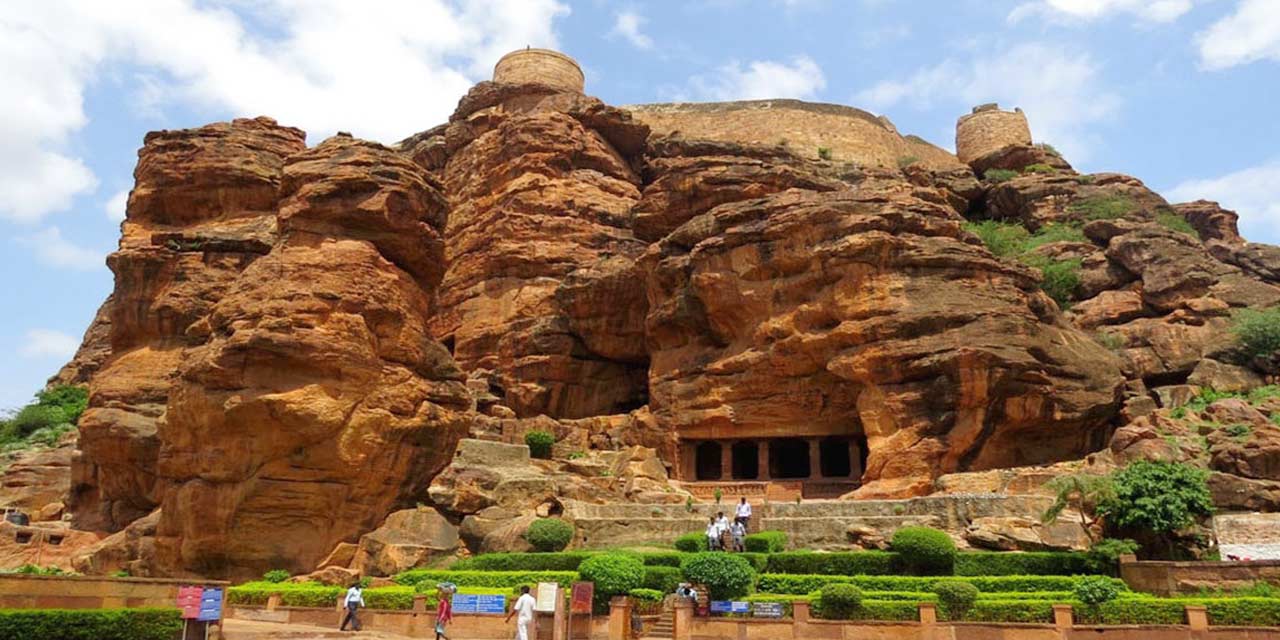
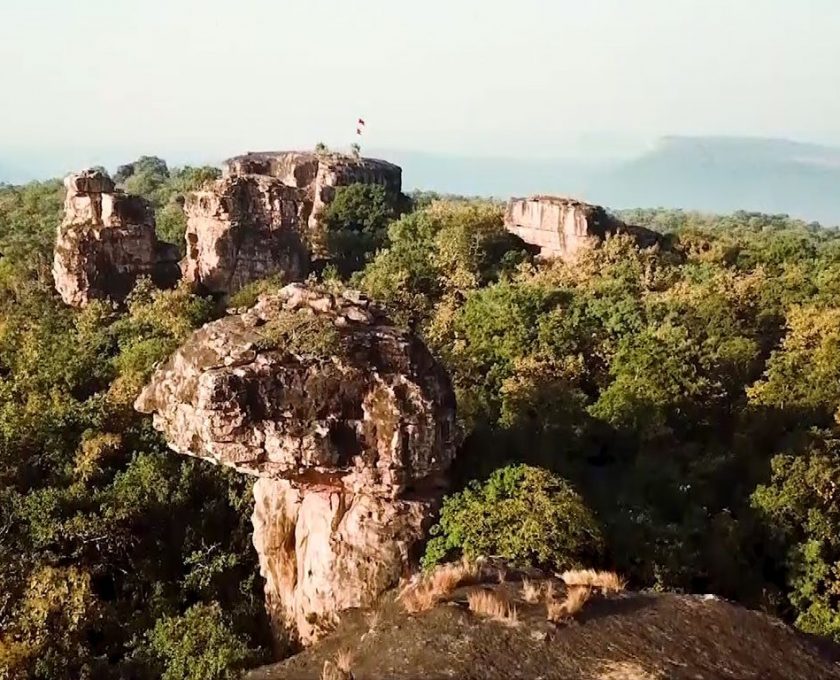
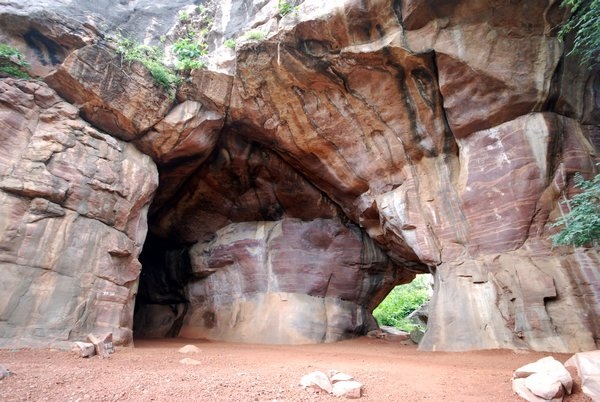
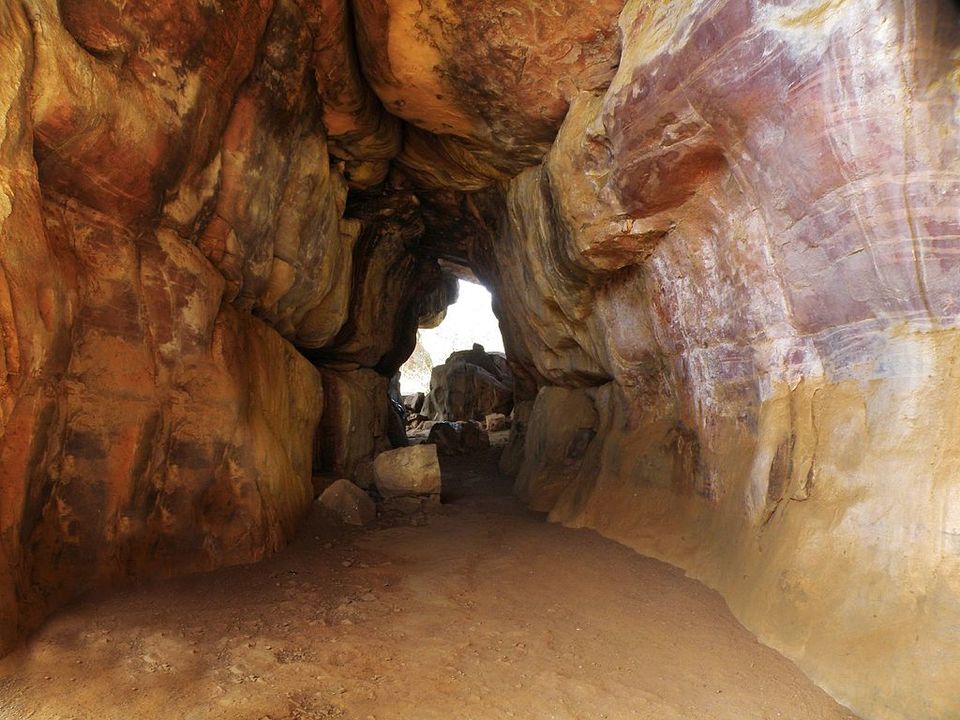
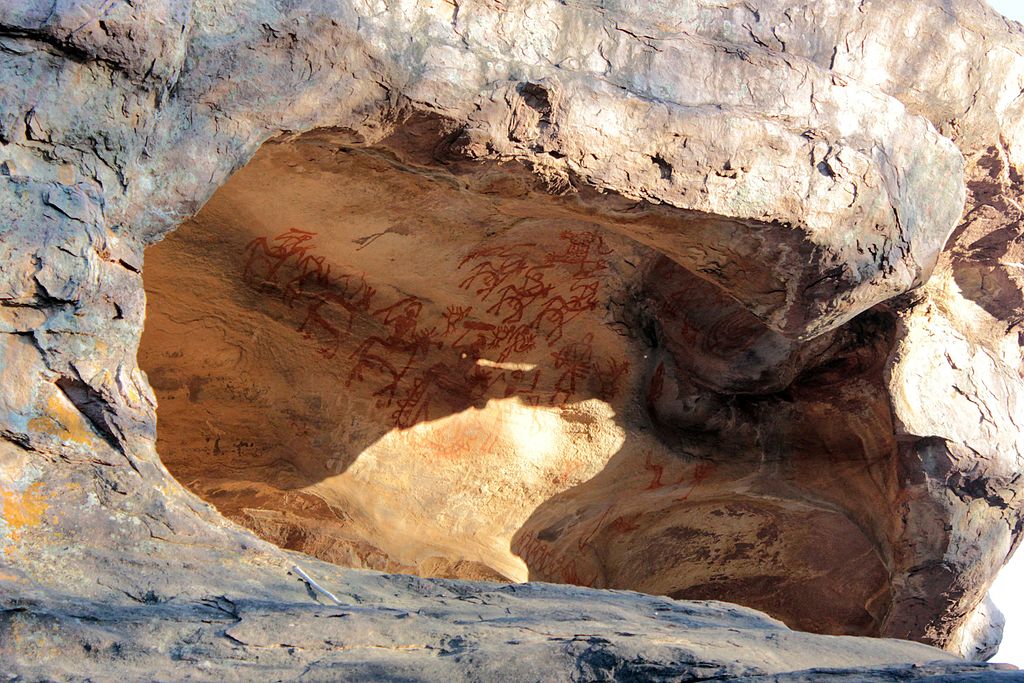
The Bhimbetka rock shelters are an archaeological site in central India that spans the prehistoric paleolithic and mesolithic periods, as well as the historic period.It exhibits the earliest traces of human life on the Indian subcontinent and evidence of Stone Age starting at the site in Acheulian times. It is located in the Raisen District in the Indian state of Madhya Pradesh about 45 kilometers (28 mi) southeast of Bhopal. It is a UNESCO world heritage site that consists of seven hills and over 750 rock shelters distributed over 10 kilometers (6.2 mi). At least some of the shelters were inhabited more than 100,000 years ago.The rock shelters and caves provide evidence of, according to Encyclopedia Britannica, a “rare glimpse” into human settlement and cultural evolution from hunter-gatherers, to agriculture, and expressions of spirituality.
Ellora caves
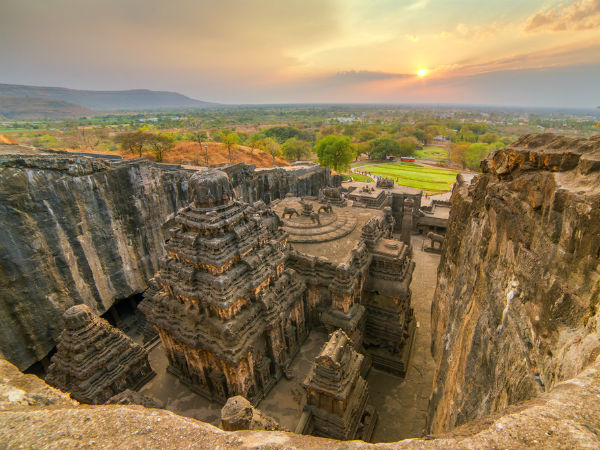
Ellora is an UNESCO World Heritage Site situated in the Aurangabad area of Maharashtra, India. It is one of the biggest stone cut religious community sanctuary cavern buildings on the planet, including Buddhist, Hindu and Jain landmarks, and work of art, dating from the 600–1000 CE period. Cavern 16, specifically, highlights the biggest single solid stone removal on the planet, the Kailasha sanctuary, a chariot molded landmark committed to Shiva. The Kailasha sanctuary removal additionally includes models portraying the divine beings, goddesses and folklores found in Vaishnavism, Shaktism just as alleviation boards abridging the two significant Hindu Epics
Elephanta caves
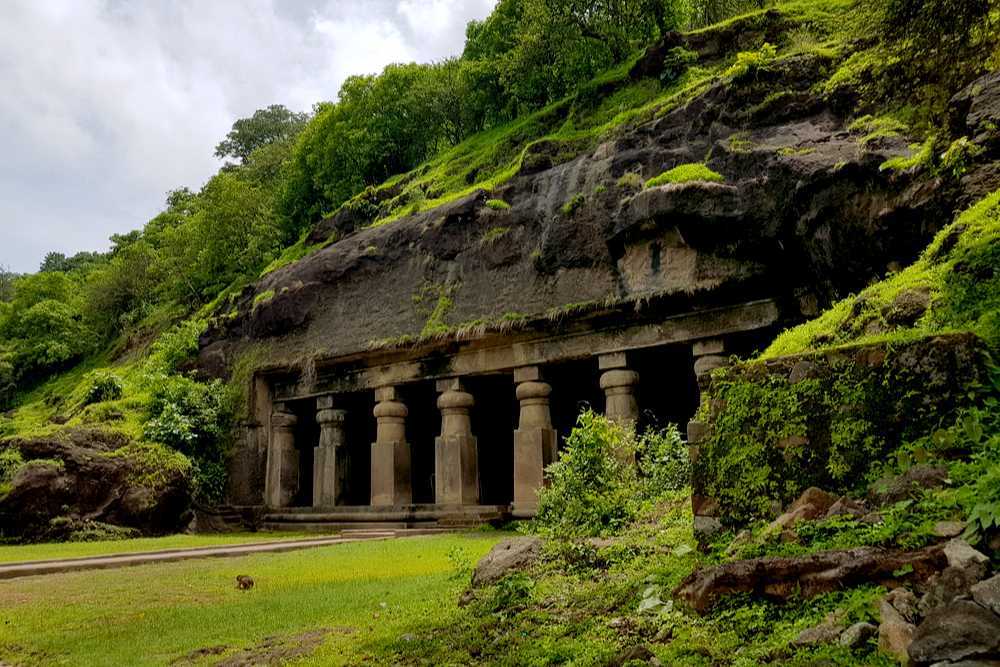
Elephanta Caves are a UNESCO World Heritage Site and an assortment of cavern sanctuaries overwhelmingly committed to the Hindu god Shiva. They are on Elephanta Island, or Gharapuri (actually “the city of caverns”), in Mumbai Harbor, 10 kilometers (6.2 mi) east of Mumbai in the Indian territory of Maharashtra. The island, around 2 kilometers (1.2 mi) west of the Jawaharlal Nehru Port, comprises of five Hindu caverns and a couple of Buddhist stupa hills that go back to the second century BCE, just as a little gathering of two Buddhist caverns with water tanks.
The Elephanta Caves contain rock cut stone models that show syncretism of Hindu and Buddhist thoughts and iconography. The caverns are slashed from strong basalt rock. Aside from a couple of special cases, a great part of the work of art is mutilated and damaged. The primary sanctuary’s direction just as the overall area of different sanctuaries are set in a mandala pattern. The carvings describe Hindu folklores, with the huge solid 20 feet (6.1 m) Trimurti Sadashiva (three-confronted Shiva), Nataraja (Lord of move) and Yogishvara (Lord of Yoga) being the most celebrated.
Chola Templesk
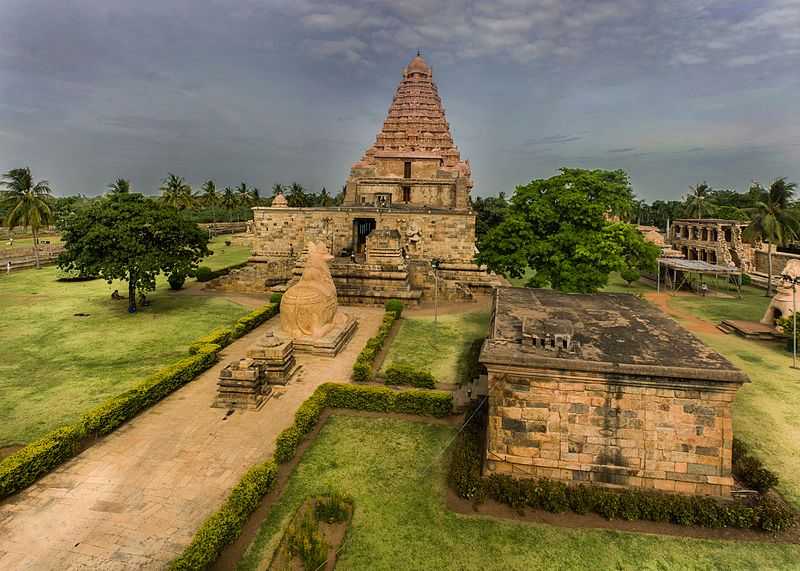
The Great Living Chola Temples is a UNESCO World Heritage Site assignment for a gathering of Chola tradition period Hindu sanctuaries in the Indian territory of Tamil Nadu. Finished between the mid-eleventh and the twelfth century CE, the landmarks incorporate the Brihadisvara Temple at Thanjavur, the Temple of Gangaikonda Cholapuram and the Airavatesvara Temple at Darasuram. The Brihadisvara Temple was perceived in 1987; the Temple of Gangaikondacholapuram and the Airavatesvara Temple were added as augmentations to the site in 2004.
Sanchi Stupa
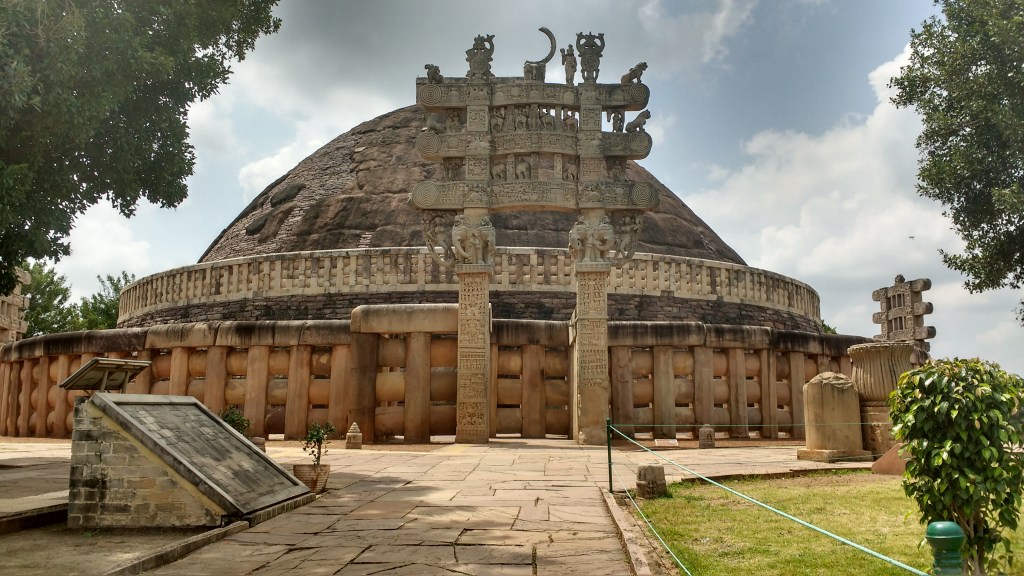
Sanchi Stupa is a Buddhist mind-boggling, acclaimed for its Great Stupa, on a ridge at Sanchi Town in Raisen District of the State of Madhya Pradesh, India. It is situated in 46 kilometers (29 mi) north-east of Bhopal, capital of Madhya Pradesh.
The Great Stupa at Sanchi is one of the most seasoned stone structures in India, and a significant landmark of Indian Architecture. It was initially dispatched by the ruler Ashoka in the third century BCE. Its core was a basic hemispherical block structure that worked over the relics of the Buddha. It was delegated by the chhatri, a parasol-like structure symbolizing high position, which was expected to respect and haven the relics. The first development work of this stupa was supervised by Ashoka, whose spouse Devi was the little girl of a shipper of close by Vidisha. Sanchi was her origin just as the scene of her and Ashoka’s wedding. In the first century BCE, four intricately cut toranas (fancy portals) and a balustrade surrounding the whole structure were included. The Sanchi Stupa worked during the Mauryan period was made of blocks. The composite prospered until the eleventh century.
Raani Ki Vav
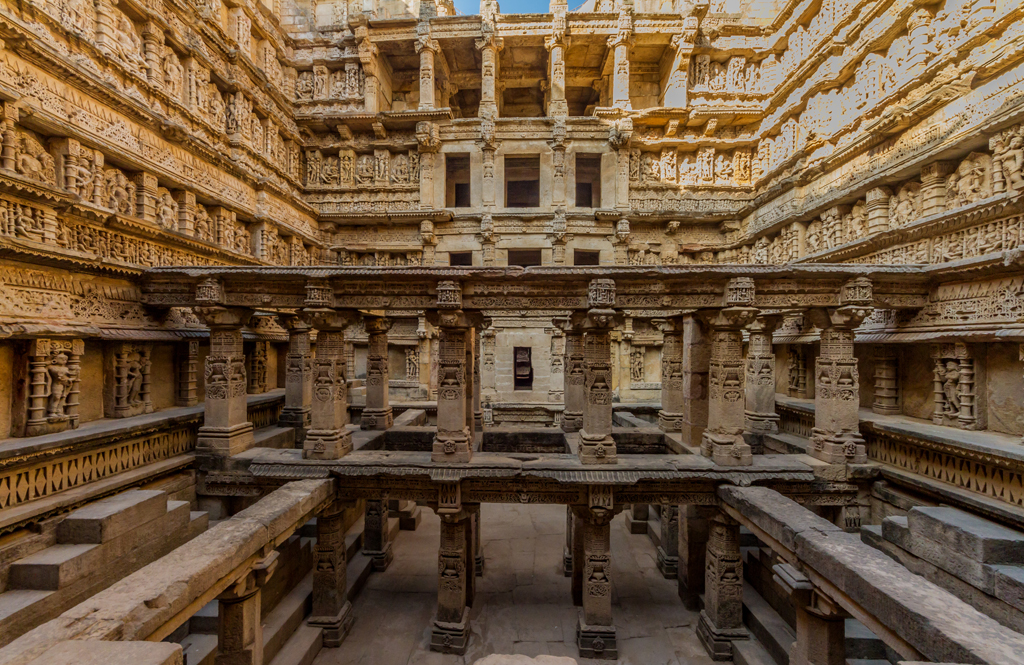
Rani ki Vav or Ranki vav (lit. Queen’s stepwell) is a stepwell arranged in the town of Patan in Gujarat territory of India. It is situated on the banks of Saraswati stream. Its development is credited to Udayamati, a girl of Khengara of Saurashtra, sovereign of the eleventh-century Chaulukya administration and life partner of Bhima I. Silted over, it was rediscovered in the 1940s and reestablished in 1980s by the Archeological Survey of India. It has been recorded as one of UNESCO’s World Heritage Sites since 2014.
The best and one of the biggest case of its sort and structured as an upset sanctuary featuring the sacredness of water, the stepwell is partitioned into seven degrees of stairs with sculptural boards; in excess of 500 rule figures and over a thousand minor ones join strict, fanciful and common symbolism.
Nalanda Mahavihara
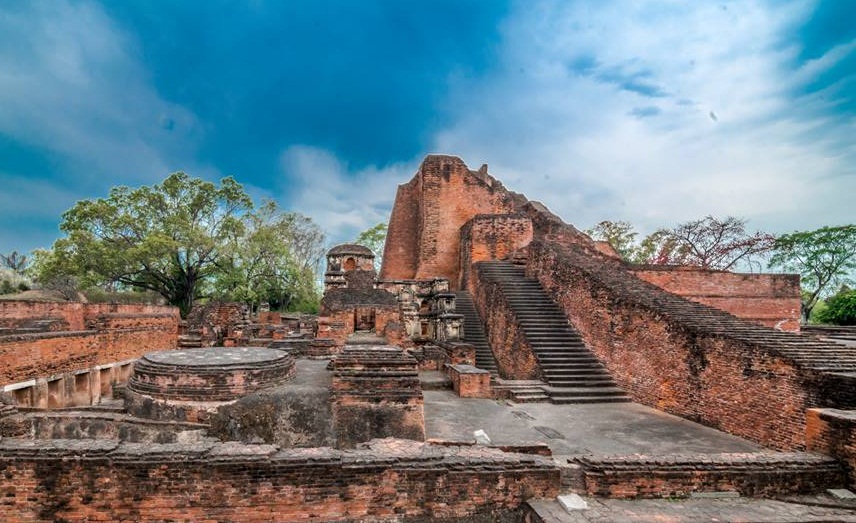
Nalanda was an antiquated Mahavihara, an enormous and worshipped Buddhist religious community, in the old realm of Magadha (cutting edge Bihar) in India. The site is situated around 95 kilometers (59 mi) southeast of Patna close to the city of Bihar Sharif and was a significant focal point of gaining from the fifth century CE to c. 1200 CE. Today, it is a UNESCO World Heritage Site.
The exceptionally formalized strategies for Vedic grant propelled the foundation of enormous showing establishments, for example, Taxila, Nalanda, and Vikramashila, which are regularly described as India’s initial universities. Nalanda thrived under the support of the Gupta Empire in the fifth and sixth hundreds of years, and later under Harsha, the ruler of Kannauj. The liberal social customs acquired from the Gupta age brought about a time of development and flourishing until the ninth century CE. The resulting hundreds of years were a period of steady decay, a period during which the tantric improvements of Buddhism turned out to be generally articulated in eastern India under the Pala Empire.
 Explore India