TAJ MAHAL
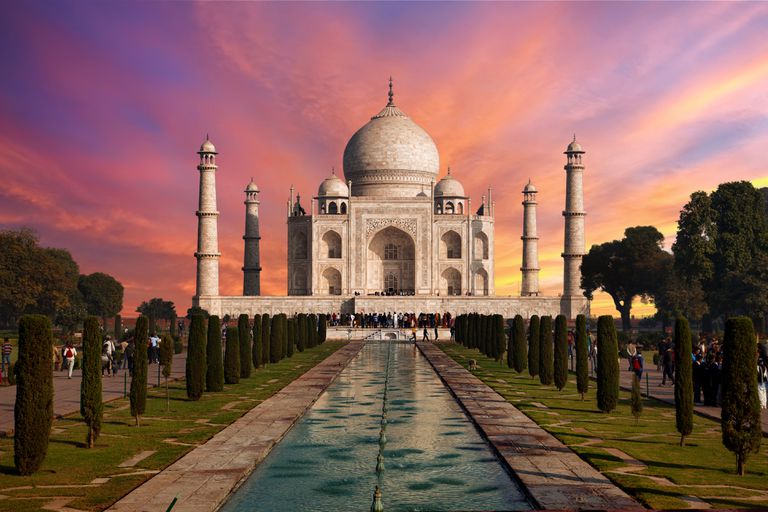
Inaugurated: 1632–53
Location: Agra,Uttar Pradesh
Height: 73 m (240 ft)
The TAJ MAHAL ‘Crown of the Palaces’ is an ivory-white marble sepulcher on the south bank of the Yamuna stream in the Indian city of Agra. It was dispatched in 1632 by the Mughal sovereign Shah Jahan (ruled from 1628 to 1658) to house the tomb of his preferred spouse, Mumtaz Mahal; it likewise houses the tomb of Shah Jahan himself. The tomb is the highlight of a 17-hectare (42-section of land) complex, which incorporates a mosque and a visitor house, and is set in formal nurseries limited on three sides by a crenelated divider.
GATEWAY OF INDIA
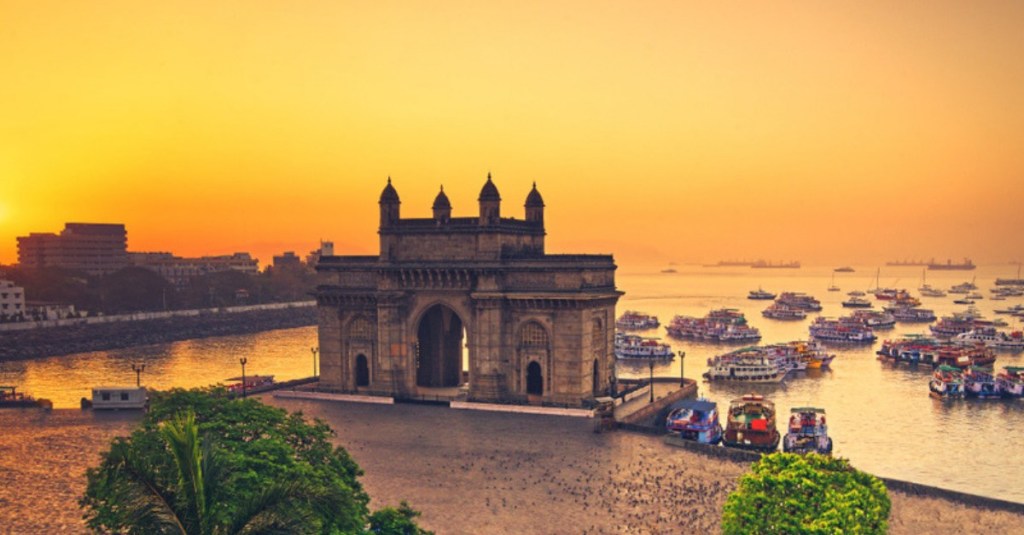
Inaugurated: 4 December,1924
Location: Mumbai,Maharashtra
Height: 26 m (85 ft)
The Gateway of India is a curve landmark worked in the mid twentieth-century situated in the city of Mumbai, in the Indian province of Maharashtra. It was raised to remember the arrival of the first British ruler in Quite a while; King-Emperor George V and Queen-Empress Mary’s landing in Apollo Bunder, Mumbai (at that point Bombay) in December 1911. Worked in the Indo-Saracenic style, joining components of sixteenth century Gujarati design, the establishment stone for the portal was laid in March 1913. During the illustrious visit, the door was not yet manufactured and a cardboard structure had welcomed the ruler. The last plan of the landmark by draftsman George Wittet was endorsed uniquely in 1914, and development was finished in 1924. The structure is a triumphal curve made of basalt, which is 26 meters (85 feet) high.
QUTUB MINAR
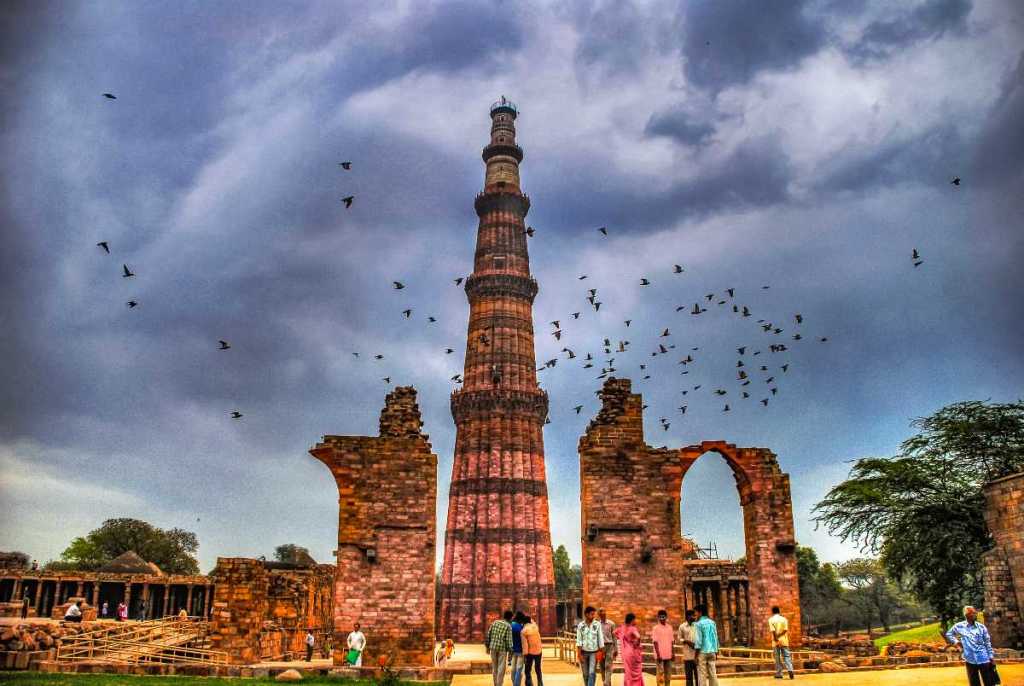
Inaugurated: 1993
Location: Delhi
Height: 73 metres (240 ft)
Qutb ud Din Aibak, founder of the Delhi Sultanate, started construction of the Qutb Minar’s first storey around 1199. In 1220, Aibak’s successor and son-in-law Shamsuddin Iltutmish completed a further three storeys. In 1369, a lightning strike destroyed the top storey. Firoz Shah Tughlaq replaced the damaged storey, and added one more. Sher Shah Suri also added an entrance to this tower while he was ruling and Humayun was in exile.
Qutb Minar was established along with Quwwat-ul-Islam Mosque around 1192 by Qutb-ud-din Aibak, first ruler of the Delhi Sultanate.The mosque complex is one of the earliest that survives in the Indian subcontinent. The minaret is named after Qutb-ud-din Aibak, or Qutbuddin Bakhtiar Kaki, a Sufi saint.Its ground storey was built over the ruins of the Lal Kot, the citadel of Dhillika. Aibak’s successor Iltutmish added three more storeys.
GOL GUMBAZ
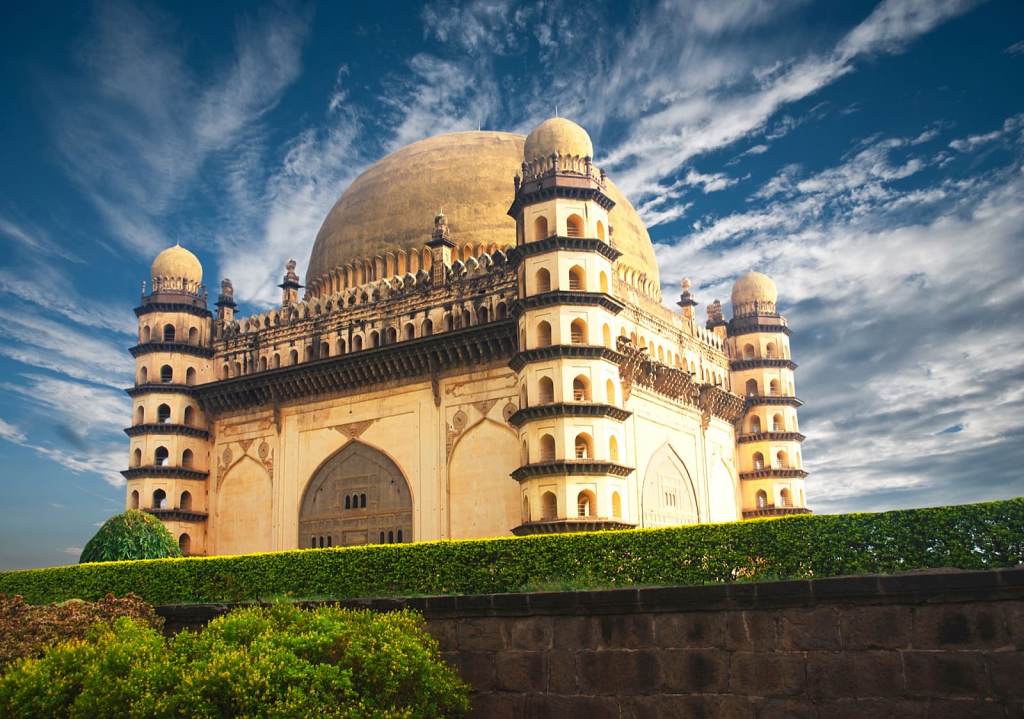
Inaugurated: 1656
Location: Vijayapur, Karnataka
Height: 51 m (167 ft 4 in)
Gol Gumbaz at Bijapur is the catacomb of lord Mohammed Adil Shah, Sultan of Bijapur. Development of the tomb, situated in Vijayapura (some time ago Bijapur), Karnataka, India, was begun in 1626 and finished in 1656. The name depends on Gola gummata got from Gol Gombadh signifying “round dome”.It pursues the style of Indo-islamic architecture.The Gol Gumbaz at Bijapur in Karnatak was worked in the seventeenth century C.E This fabulous structure houses the internment of Mohammed Adil Shah of Bijapur. Indeed, even a slight murmur by an individual remaining in this display can be heard all over and on the off chance that someone applauds from here its reverberation can heard commonly.
INDIA GATE
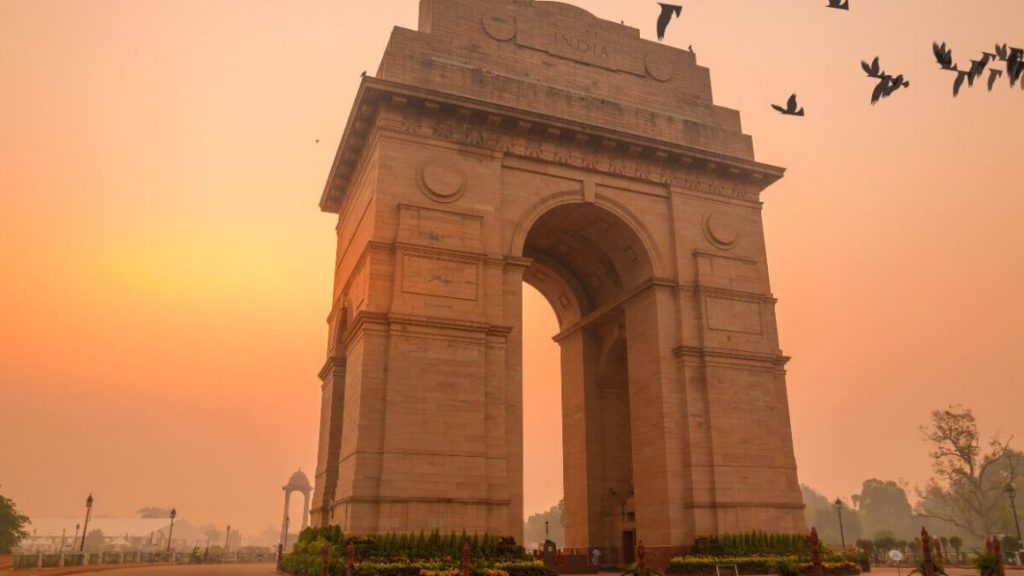
Inaugurated:12 February 1931
Location: Rajpath,New Delhi
Height: 42 m
The India Gate (originally the All India War Memorial) is a war memorial located astride the Rajpath, on the eastern edge of the “ceremonial axis” of New Delhi,[1] formerly called Kingsway. It stands as a memorial to 70,000 soldiers of the British Indian Army who died in between 1914–1921 in the First World War, in France, Flanders, Mesopotamia, Persia, East Africa, Gallipoli and elsewhere in the Near and the Far East, and the Second Anglo-Afghan War. 13,300 servicemen’s names, including some soldiers and officers from the United Kingdom, are inscribed on the gate.
VIVEKANANDA ROCK MEMORIAL
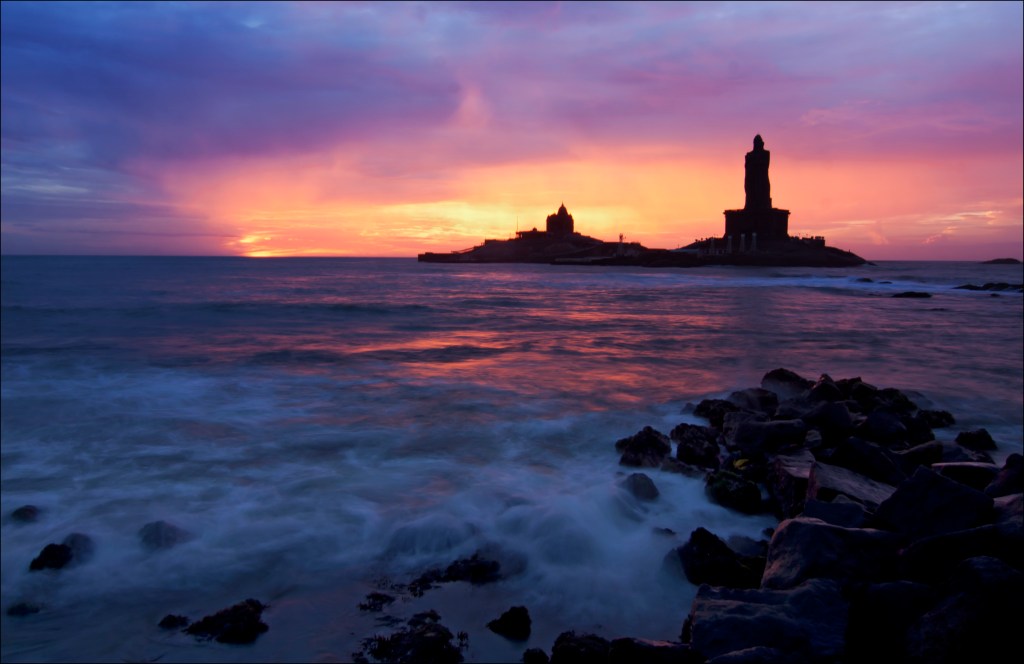
Inaugurated: January 1962
Location: Vavathurai, Kanyakumari, India.
Vivekananda Rock Memorial is a well known vacationer landmark in Vavathurai, Kanyakumari, India. It was worked in 1970 out of appreciation for Swami Vivekananda who is said to have accomplished illumination on the rock.According to neighborhood legends, it was on this stone Goddess Kumari performed starkness. A reflection lobby known as Dhyana Mandapam is additionally joined to the remembrance for guests to ponder. The plan of the mandapa joins various styles of sanctuary design from all over India.The stones are encompassed by the Laccadive Sea. The commemoration comprises of two primary structures, the Vivekananda Mandapam and the Shripada Mandapam.
KESARIA STUPA
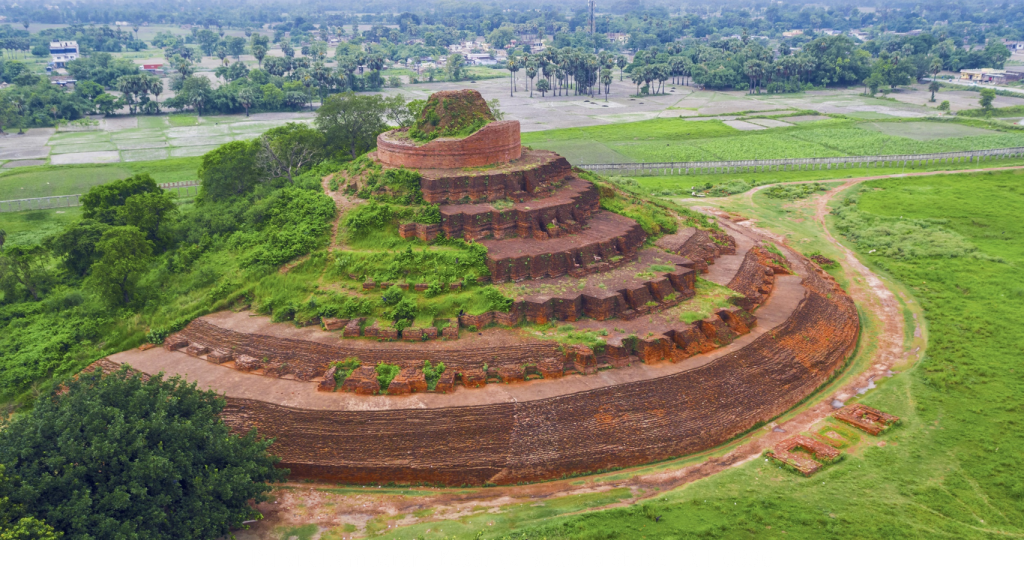
Inaugurated: 1861-62
Location: Patna,Bihar
Height: 104ft
Kesariya Stupa is a Buddhist stupa in Kesariya, situated a good ways off of 110 kilometers (68 mi) from Patna, in the Champaran (east) region of Bihar, India. The principal development of the Stupa is dated to the third century BCE. Kesariya Stupa has a circuit of right around 400 feet (120 m) and raises to a stature of around 104 feet (32 m).The site’s investigation supposedly began in the mid nineteenth century, from its revelation drove by Colonel Mackenzie in 1814 to General Cunningham’s legitimate uncovering in 1861-62. An unearthing was led by prehistorian KK Muhammed of the Archeological Survey of India (ASI) in 1998. The first Kesariya stupa likely dates to the hour of Ashoka (around 250 BCE), as the remaining parts of a capital of a Pillar of Ashoka were found there.
PAVAGADH ARCHAEOLOGICAL PARK
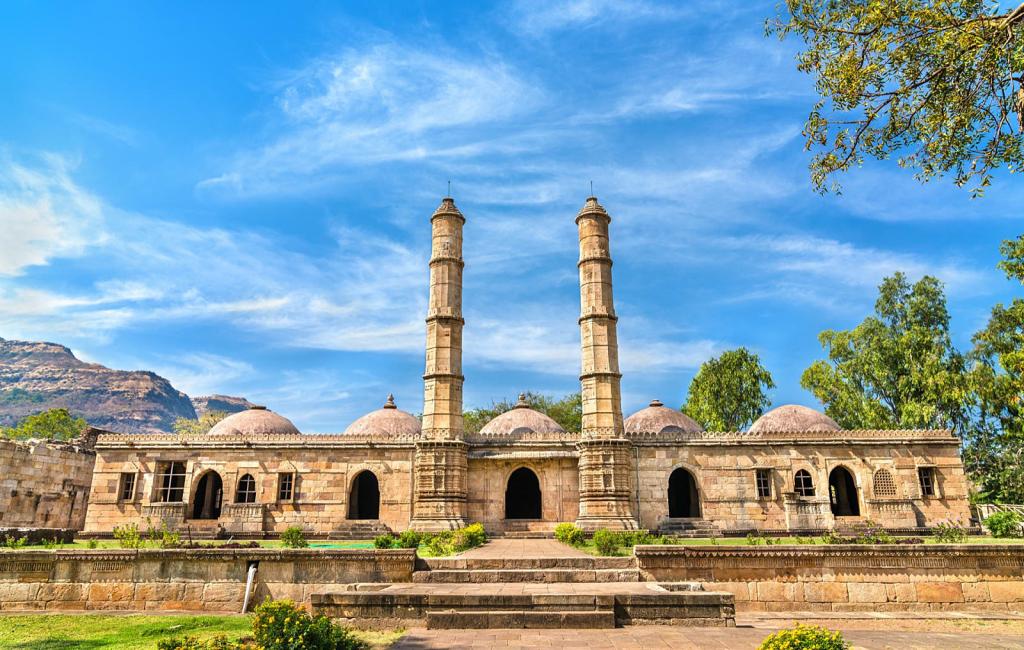
Inaugurated:
Location: Gujarat,India
Area: 1,328.89 ha (3,283.8 acres)
Champaner-Pavagadh Archeological Park, an UNESCO World Heritage Site, is situated in Panchmahal locale in Gujarat, India. It is situated around the recorded city of Champaner, a city which was established by Vanraj Chavda, the most noticeable lord of the Chavda Dynasty, in the eighth century. He named it after the name of his companion and general Champa, additionally referred to later as Champaraj. The legacy site is studded with fortifications with bastions beginning from the slopes of Pavagadh, and reaching out into the city of Champaner. The recreation center’s scene incorporates archeological, notable and living social legacy landmarks, for example, chalcolithic locales, a slope post of an early Hindu capital, and stays of the sixteenth century capital of the province of Gujarat. There are castles, entrance doors and curves, mosques, tombs and sanctuaries, private edifices, rural structures and water establishments, for example, stepwells and tanks, dating from the eighth to the fourteenth hundreds of years. The Kalika Mata Temple, situated over the 800 meters (2,600 ft) high Pavagadh Hill, is a significant Hindu hallowed place in the district, drawing in enormous quantities of travelers consistently.
LOKTAK LAKE
Location: Manipur
Surface: 768.5 m (2,521 ft)
Designated: 23 March 1990
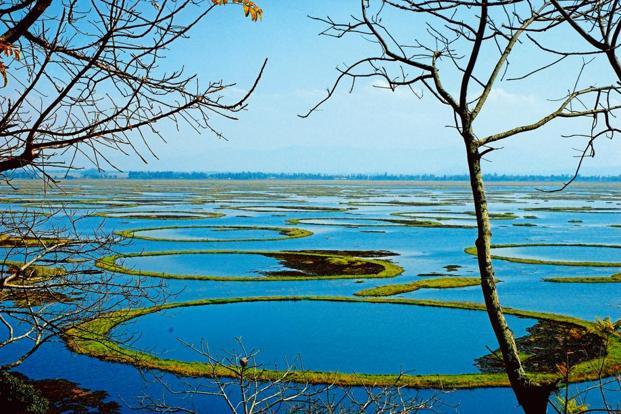
Loktak Lake is the biggest freshwater lake in Northeast India and is renowned for the phumdis (heterogeneous mass of vegetation, soil and natural issue at different phases of disintegration) skimming over it. The lake is situated at Moirang in Manipur state, India. The historical underpinnings of Loktak is Lok “stream” and tak”the end”.The biggest of all the phumdis covers a region of 40 km2 (15 sq mi) and is arranged on the southeastern shore of the lake. Situated on this phumdi, Keibul Lamjao National Park is the main skimming national park on the planet. The recreation center is the last characteristic shelter of the jeopardized Sangai (state creature), Rucervus eldii or Manipur dark colored antlered deer (Cervus eldi), one of three subspecies of Eld’s deer.
TOMB OF MARIAM-UZ-ZAMANI
Inaugurated:
Location:Sikandra, Agra
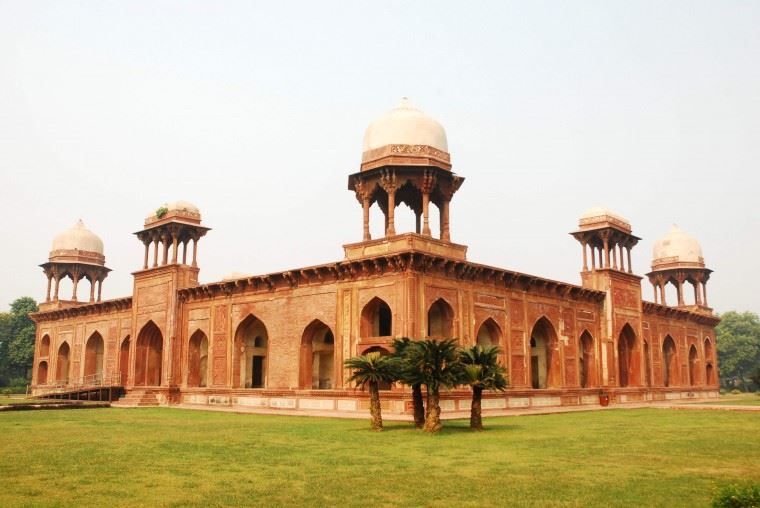
The Tomb of Mariam-uz-Zamani is the catacomb of Mariam-uz-Zamani, the Queen partner of the Mughal Emperor Akbar. The tomb was worked by Jahangir, in memory of his mom Mariam-uz-Zamani.The tomb is situated in Sikandra, a suburb of Agra.Mariam-uz-Zamani was brought into the world a Rajput princess named Jodha Bai, the oldest little girl of Raja Bharmal of Amer. She was hitched to Emperor Akbar in 1562 CE. She was regarded with the title Mariam-uz-Zamani (“Mary of the Age”) after she brought forth Jahangir. She kicked the bucket in Agra in 1623 and her child Jahangir assembled a tomb for her in the middle of 1623 and 1627 CE.The tomb is only alongside the Tomb of Akbar the Great, the main closest of the considerable number of tombs of his other wives.
RAM SETU
Evolved: 125,000 years ago.
Location:Tamil Nadu,India
Lenghth: 48 km (30 mi)
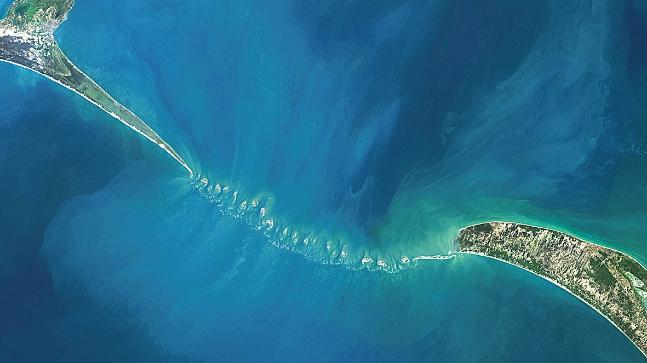
Adam’s Bridge, otherwise called Rama’s Bridge or Rama Setu ,is a chain of limestone reefs, between Pamban Island, otherwise called Rameswaram Island, off the south-eastern bank of Tamil Nadu, India, and Mannar Island, off the north-western shore of Sri Lanka. Geographical proof proposes that this extension is a previous land association among India and Sri Lanka.
The extension is 48 km (30 mi) long and isolates the Gulf of Mannar (south-west) from the Palk Strait (upper east). A portion of the districts are dry and the ocean in the region seldom surpasses 1 meter (3 ft) inside and out, accordingly impeding navigation. It was apparently tolerable by walking until the fifteenth century, when tempests extended the channel: sanctuary records appear to state that Adam’s Bridge was totally above ocean level until it broke in a tornado in 1480.
 Explore India